Patient Positioning in Nursing: Types, Uses and Nursing Responsibilities
Overview and Clinical Principles
Patient positioning is a fundamental nursing procedure. Nurses need to understand different positions because patients may require specific postures during physical examinations, diagnostic tests, surgical procedures, treatment, and routine bedside care.
Table of Contents(34 Sections)
Basic Patient Positions
Supine Position (Dorsal Position)
Definition: The supine position is a posture in which the patient lies flat on their back, facing upward, with the head, shoulders, and back supported by the bed.
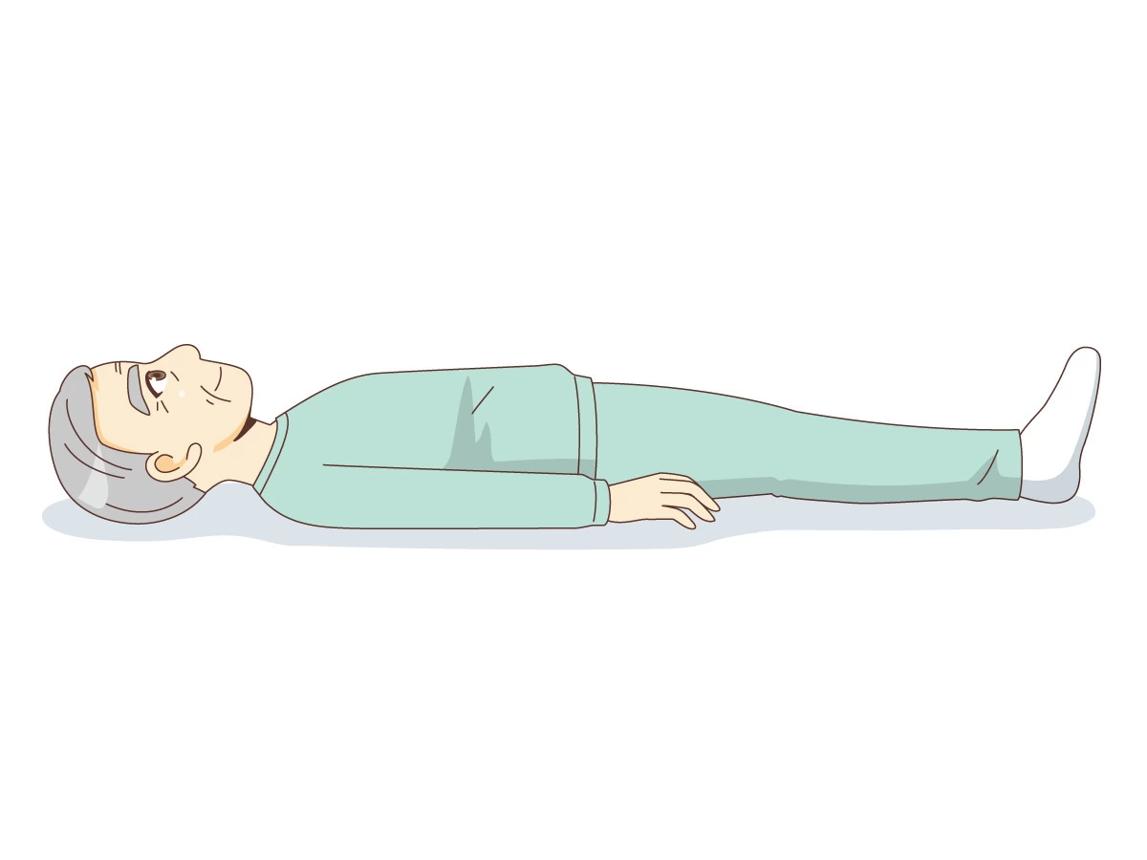
How to position the patient:
- Ask the patient to lie flat on their back.
- Keep the head in a neutral position.
- Place the arms comfortably beside the body.
- Keep the legs extended and slightly apart.
- Place a pillow under the head if required.
- Support the heels and other pressure points.
Purpose and indications:
- Used for general physical examination.
- Helps in examining the anterior surface of the body.
- Commonly used during abdominal examination.
- Used during CPR and many emergency procedures.
- Frequently used for surgical procedures.
- Helps provide a comfortable resting position for some patients.
Nursing responsibilities:
- Maintain proper body alignment.
- Check the skin over the sacrum, heels, and elbows.
- Change the patient's position regularly when indicated.
- Avoid excessive pressure on the heels.
- Observe breathing and circulation.
Prone Position
Definition: In the prone position, the patient lies on the abdomen with the face turned to one side.
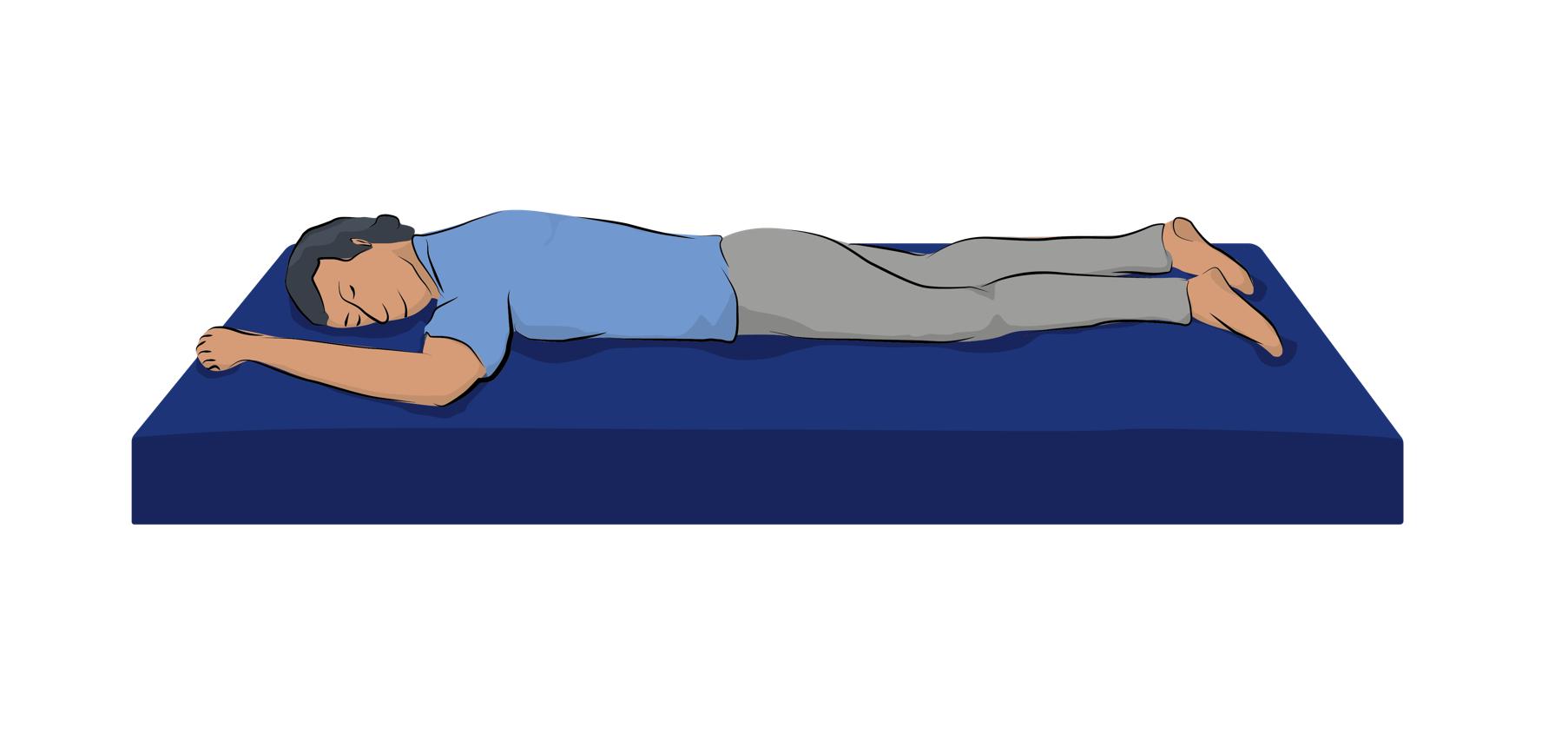
How to position the patient:
- Carefully turn the patient onto the abdomen.
- Turn the head to one side or use an appropriate face-support system.
- Keep the arms in a comfortable position.
- Place a small pillow under the abdomen or pelvis if clinically indicated.
- Ensure that the chest and abdomen are not excessively compressed.
- Keep the toes free from pressure.
Purpose and indications:
- Used in selected spinal and posterior body examinations.
- Provides access to the back and posterior body surface.
- Used during certain spinal and orthopedic surgeries.
- May improve oxygenation in selected patients with severe ARDS under specialist supervision.
- Helps relieve pressure from the posterior surface when used appropriately.
Nursing responsibilities:
- Assess respiratory status before and after positioning.
- Protect the eyes, face, breasts, genitalia, and bony prominences.
- Check the position of tubes, drains, and intravenous lines.
- Monitor skin integrity and circulation.
- Maintain correct spinal alignment.
Lateral Position (Side-Lying)
Definition: The lateral position is a posture in which the patient lies on either the right or left side.
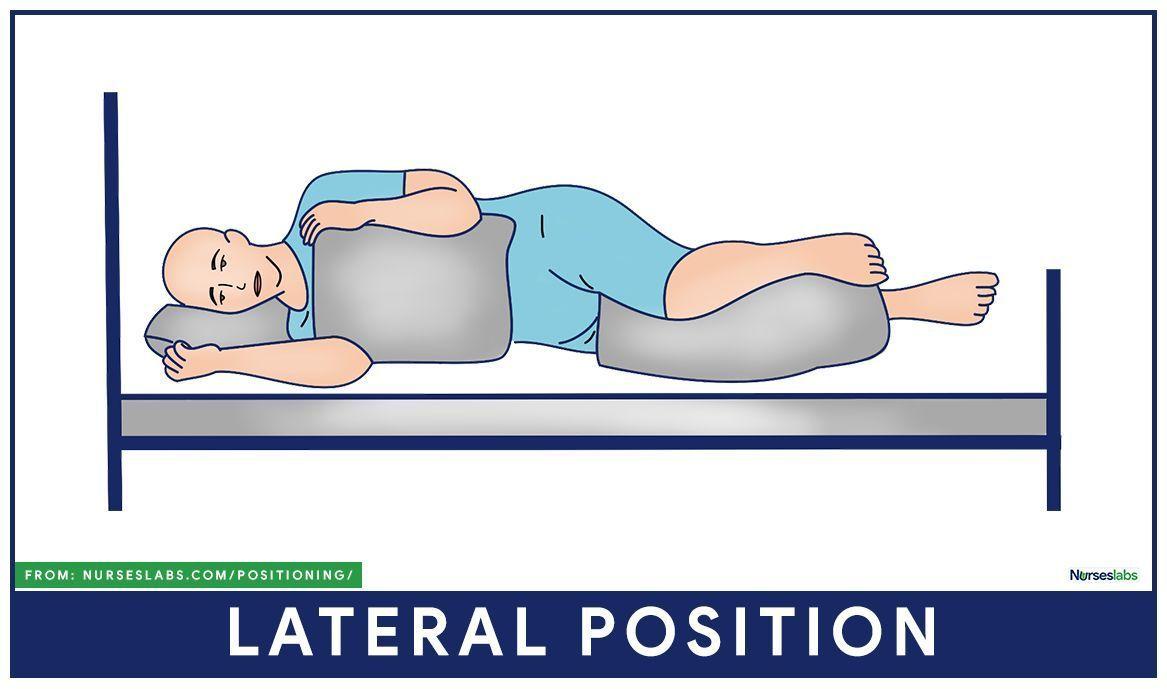
How to position the patient:
- Turn the patient onto one side.
- Keep the head supported with a pillow.
- Slightly bend the upper leg for stability.
- Place a pillow between the knees.
- Support the upper arm with a pillow.
- Keep the spine in a straight and comfortable alignment.
Purpose and indications:
- Provides comfort and rest.
- Helps reduce pressure on the sacral area.
- Used for back examinations.
- Useful in selected patients who need an alternative to lying on their back.
- May help reduce aspiration risk in suitable unconscious patients with an intact airway and no contraindications.
Nursing responsibilities:
- Maintain proper alignment of the spine.
- Protect the shoulder, hip, knees, and ankles.
- Check skin for redness and pressure injuries.
- Avoid placing excessive pressure on the dependent arm.
- Reposition the patient according to their condition and care plan.
Right Lateral Position
Definition: The right lateral position is a variation of the lateral position in which the patient lies on their right side.
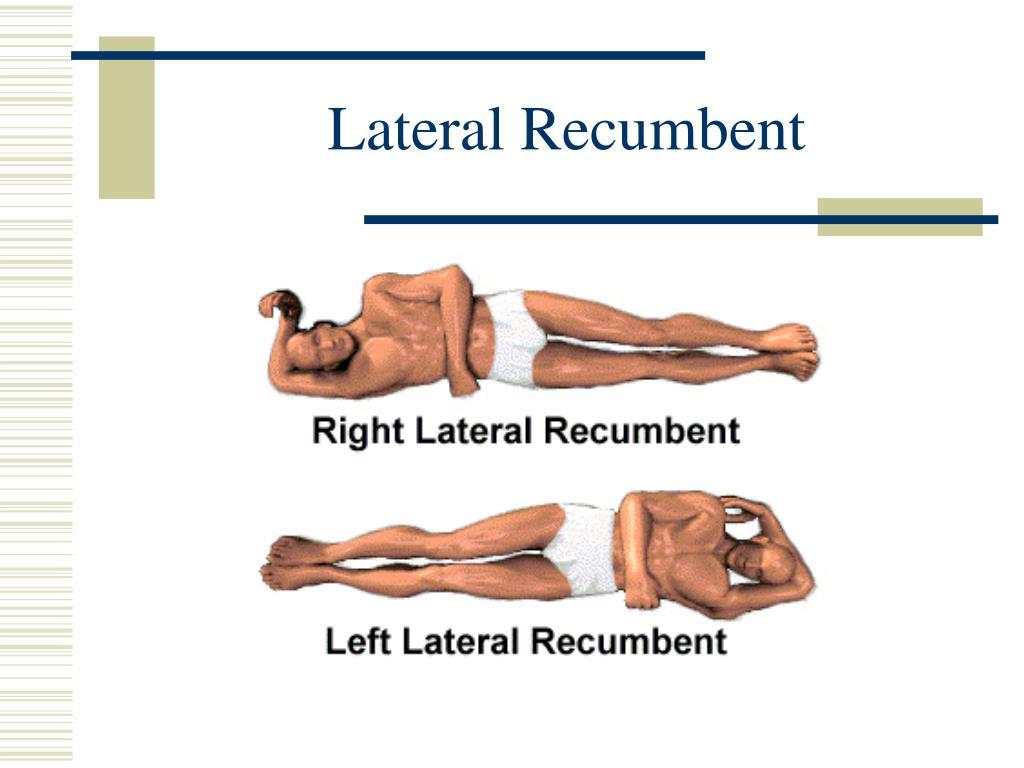
How to position the patient:
- Turn the patient onto the right side.
- Keep the head supported.
- Place the left leg slightly forward.
- Support the upper arm with a pillow.
- Place a pillow between the knees.
- Maintain comfortable spinal alignment.
Purpose and indications:
- Used for selected physical examinations.
- Provides access to the left side of the body.
- May be used for certain diagnostic and nursing procedures.
- Helps relieve pressure on the left side.
- Can be used for comfortable side-lying rest when appropriate.
Nursing responsibilities:
- Check the right shoulder and hip for pressure.
- Maintain proper body alignment.
- Observe respiratory comfort.
- Protect the dependent arm and leg.
- Assess skin condition regularly.
Left Lateral Position
Definition: The left lateral position is a posture in which the patient lies on their left side.
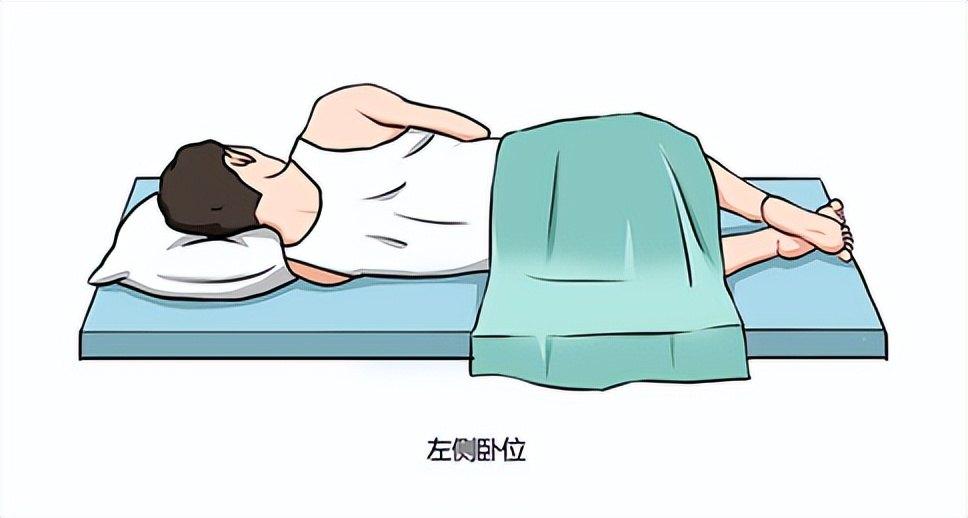
How to position the patient:
- Turn the patient onto the left side.
- Support the head with a pillow.
- Keep the right leg slightly bent.
- Place a pillow between the knees.
- Support the right arm.
- Maintain proper body alignment.
Purpose and indications:
- Used for selected abdominal and rectal examinations.
- Commonly used during certain pregnancy-related care situations for comfort and placental circulation (relieving inferior vena cava compression).
- Used in some procedures such as colonoscopy preparation and recovery, depending on protocol.
- Helps reduce pressure on the right side.
- May provide comfort to patients who prefer side-lying.
Nursing responsibilities:
- Support the left shoulder and hip.
- Check for pressure injuries.
- Monitor circulation and breathing.
- Ensure that the patient is comfortable.
- Maintain privacy and dignity.
Sims' Position (Semi-Prone)
Definition:Sims' position is a semi-prone posture in which the patient lies mainly on the left side, with the lower arm positioned behind the body and the upper leg flexed.
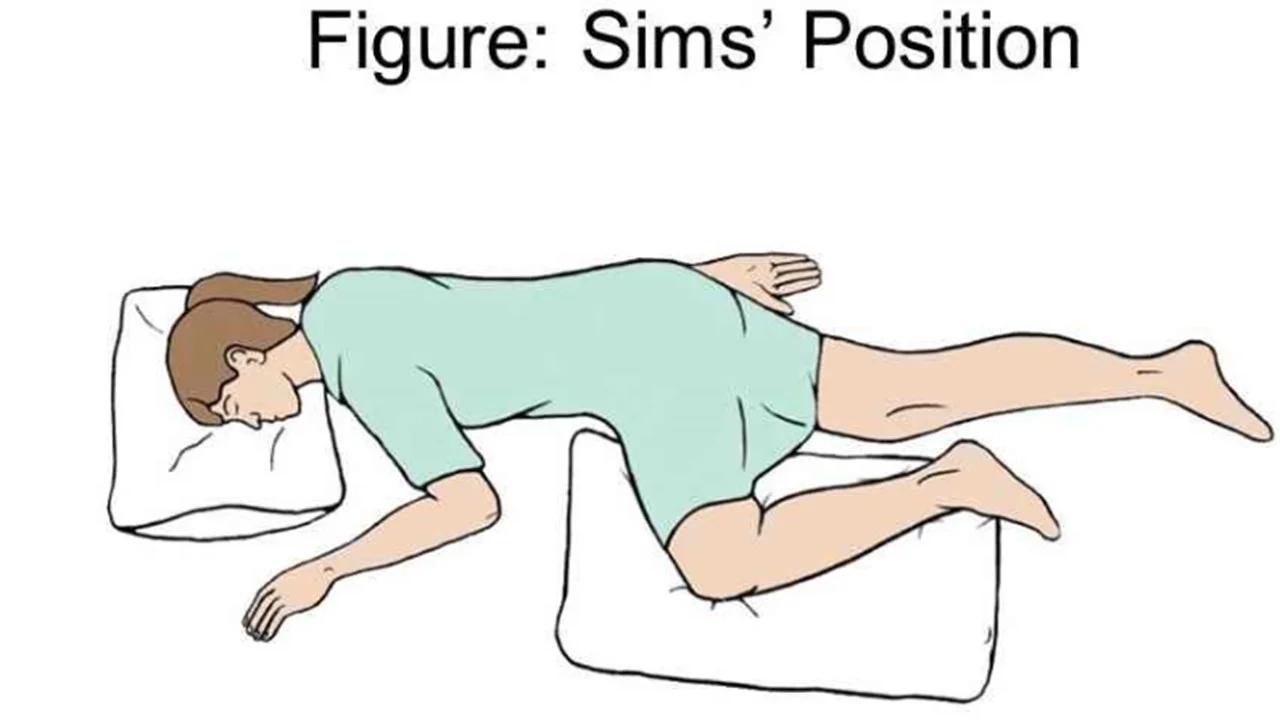
How to position the patient:
- Place the patient on the left side.
- Move the lower arm behind the body.
- Bend the upper arm comfortably.
- Flex the right hip and knee.
- Keep the left leg relatively straight.
- Support the head and upper leg with pillows as required.
Purpose and indications:
- Commonly used for rectal examinations.
- Used during administration of rectal suppositories and enemas.
- Helps facilitate certain rectal procedures.
- Provides access to the perineal and rectal region.
- May be used for selected patients requiring side-lying care.
Nursing responsibilities:
- Explain the procedure before positioning.
- Maintain privacy using proper draping.
- Avoid excessive pressure on the dependent shoulder.
- Observe the patient's comfort.
- Assist the patient as they return to a normal position.
Dorsal Recumbent Position
Definition: In the dorsal recumbent position, the patient lies on their back with knees flexed and feet resting flat on the bed.
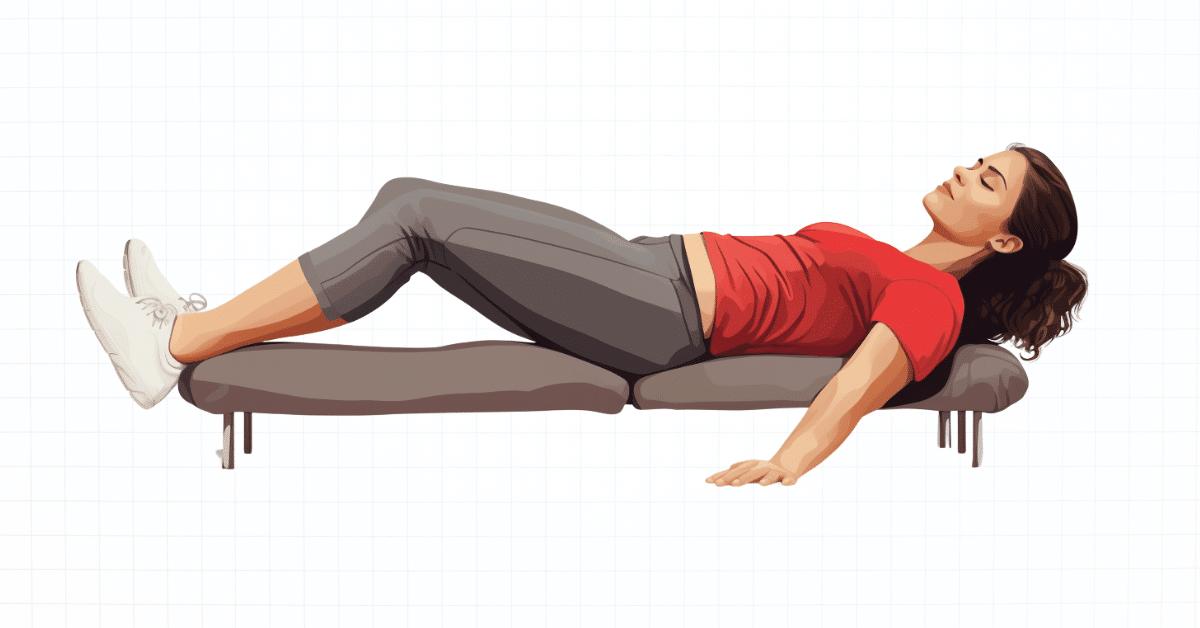
How to position the patient:
- Ask the patient to lie on their back.
- Bend both knees.
- Keep both feet flat on the mattress.
- Slightly separate the knees.
- Keep the arms comfortably beside the body.
- Support the head with a pillow.
Purpose and indications:
- Used for abdominal examination.
- Helps examine the lower abdomen.
- Used for selected pelvic examinations.
- Commonly used during female catheterization and perineal care.
- Helps relax the abdominal muscles.
Nursing responsibilities:
- Provide privacy and adequate draping.
- Support the legs if the patient has difficulty maintaining the position.
- Avoid excessive hip or knee flexion.
- Observe for pain and discomfort.
- Assist the patient when changing positions.
Fowler's Position (Standard 45°–60°)
Definition:Fowler's position is a semi-sitting posture in which the patient's head and upper body are elevated, generally around 45–60 degrees.
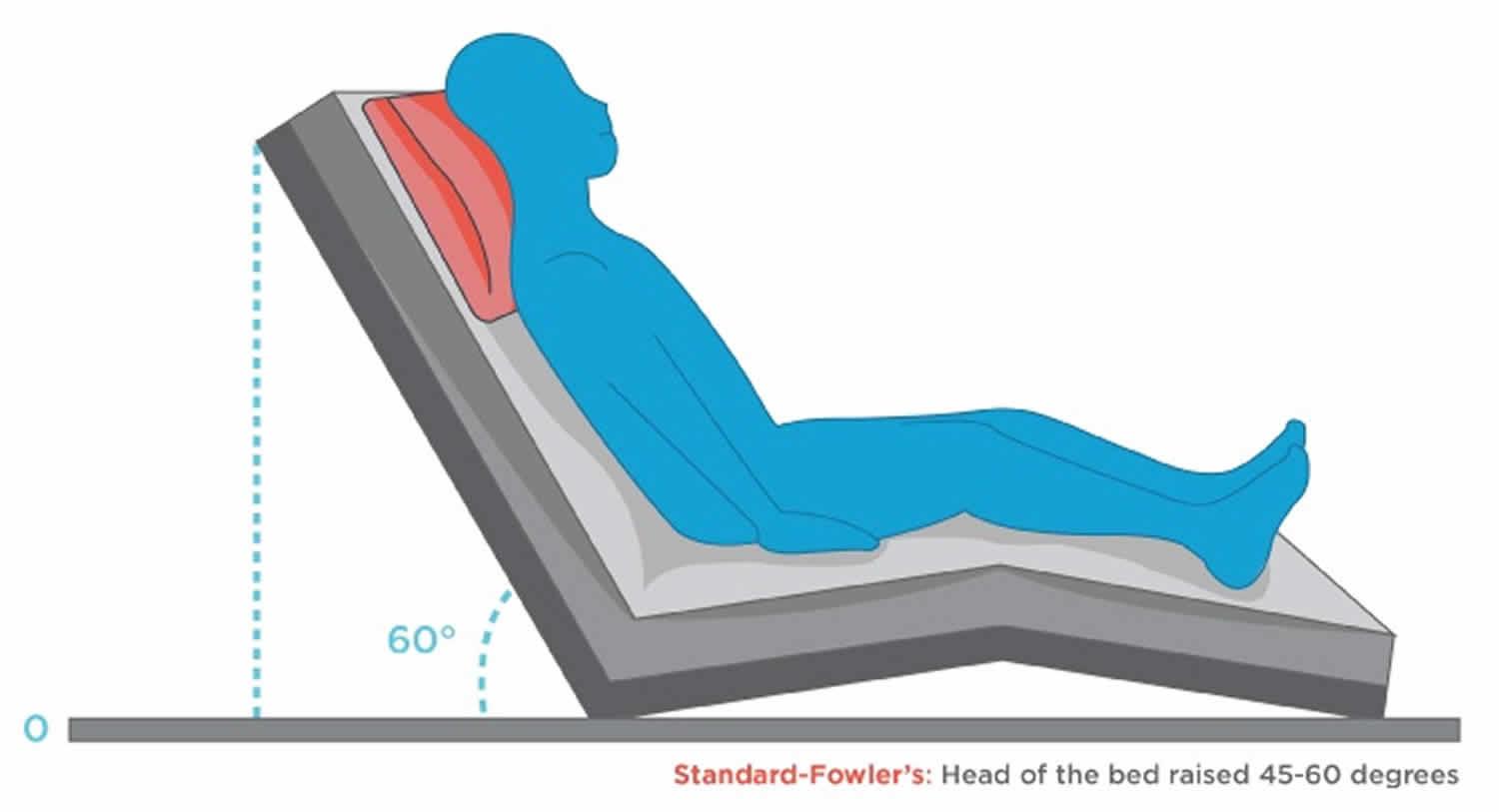
How to position the patient:
- Raise the head end of the bed.
- Elevate the upper body to approximately 45–60 degrees.
- Keep the head and neck supported.
- Place a pillow under the knees if needed.
- Support the arms comfortably.
- Keep the body properly aligned.
Purpose and indications:
- Helps improve lung expansion.
- Provides comfort to patients with breathing difficulties.
- Used during feeding and oral care when appropriate.
- Helps reduce the risk of aspiration during feeding.
- Used for certain cardiac and respiratory patients.
- Facilitates communication and interaction.
Nursing responsibilities:
- Monitor respiratory rate and oxygen saturation.
- Check for sliding down the bed.
- Protect the sacrum from pressure.
- Maintain correct body alignment.
- Ensure the patient does not develop dizziness or discomfort.
Semi-Fowler's Position (30°–45°)
Definition:Semi-Fowler's position is a semi-sitting posture in which the head of the bed is elevated approximately 30–45 degrees.
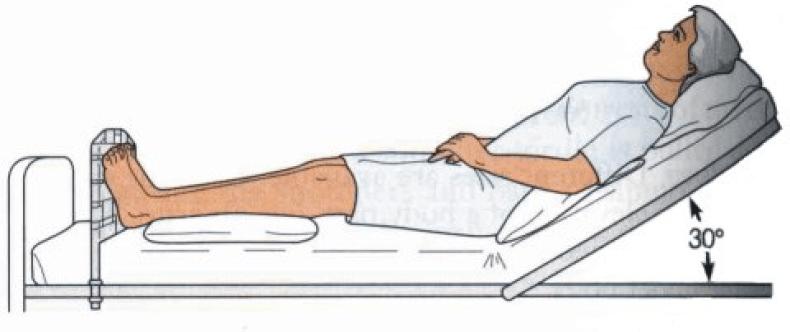
How to position the patient:
- Elevate the head end of the bed by 30–45 degrees.
- Keep the head supported.
- Place the arms comfortably.
- Slightly bend the knees if needed.
- Maintain proper alignment of the body.
Purpose and indications:
- Promotes comfortable breathing.
- Used for patients recovering after surgery.
- Helps reduce aspiration risk during feeding.
- Provides comfort to patients with mild respiratory distress.
- Used during nasogastric feeding according to clinical protocol.
- Helps improve comfort during rest.
Nursing responsibilities:
- Monitor respiratory status.
- Observe for pressure over the sacrum and heels.
- Maintain proper alignment.
- Keep the patient comfortable.
- Follow the prescribed head-of-bed elevation.
High Fowler's Position (60°–90°)
Definition:High Fowler's position is a sitting posture in which the patient's upper body is elevated approximately 60–90 degrees.
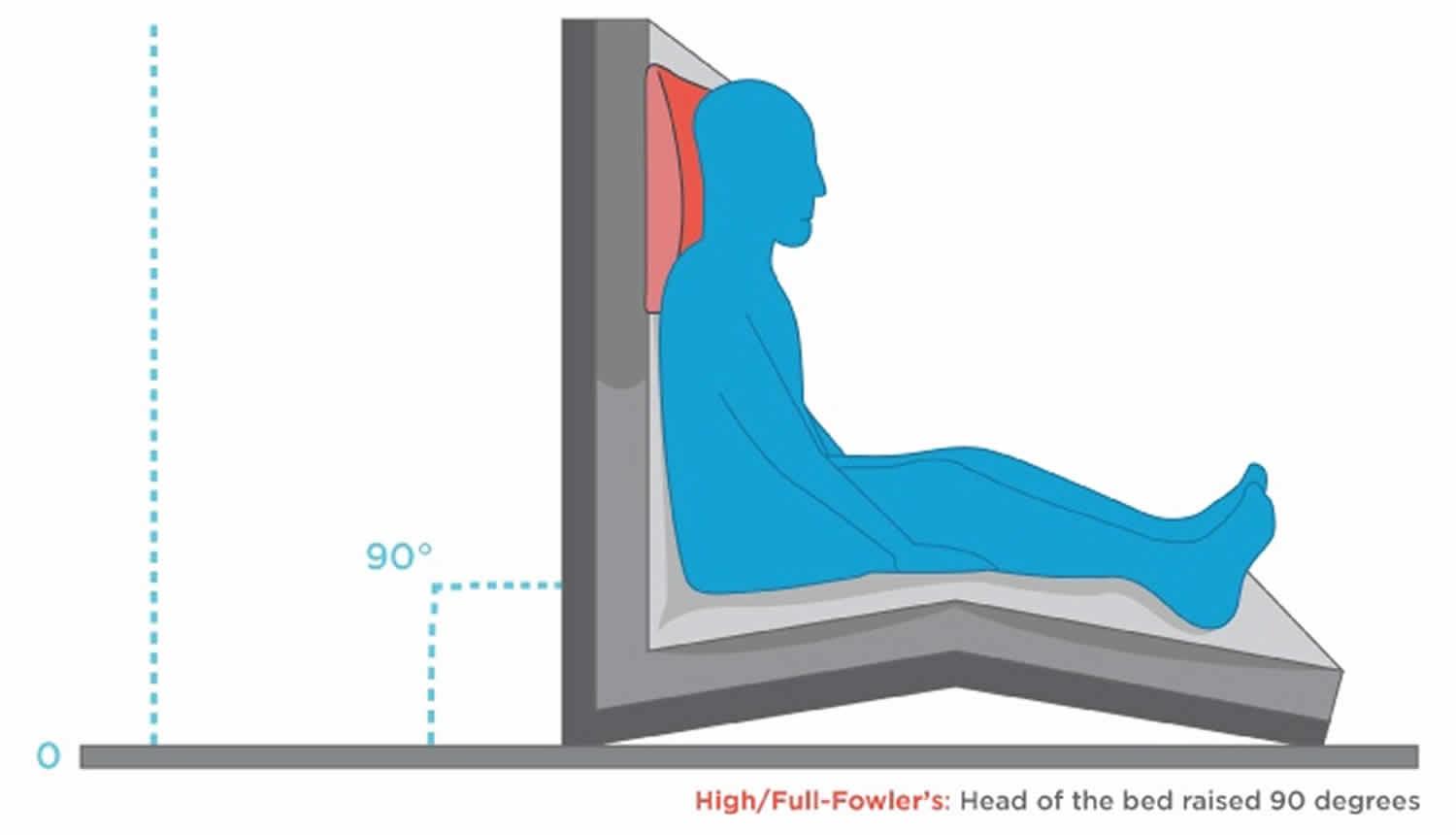
How to position the patient:
- Raise the head end of the bed to 60–90 degrees.
- Keep the back supported.
- Place pillows behind the lower back if needed.
- Support the arms.
- Keep the legs comfortably positioned.
Purpose and indications:
- Helps patients with significant breathing difficulty.
- Promotes maximum chest expansion compared with lying flat.
- Used during certain respiratory examinations.
- Helps facilitate eating and drinking when safe.
- Provides comfort to patients with orthopnea.
- Used for selected upper-body procedures.
Nursing responsibilities:
- Monitor breathing and oxygen saturation.
- Observe for fatigue and dizziness.
- Support the lower back.
- Prevent the patient from sliding down.
- Assess pressure areas, particularly the sacrum and heels.
Lithotomy Position
Definition: Lithotomy position is a posture in which the patient lies on the back with hips and knees flexed, thighs apart, and legs supported in stirrups.
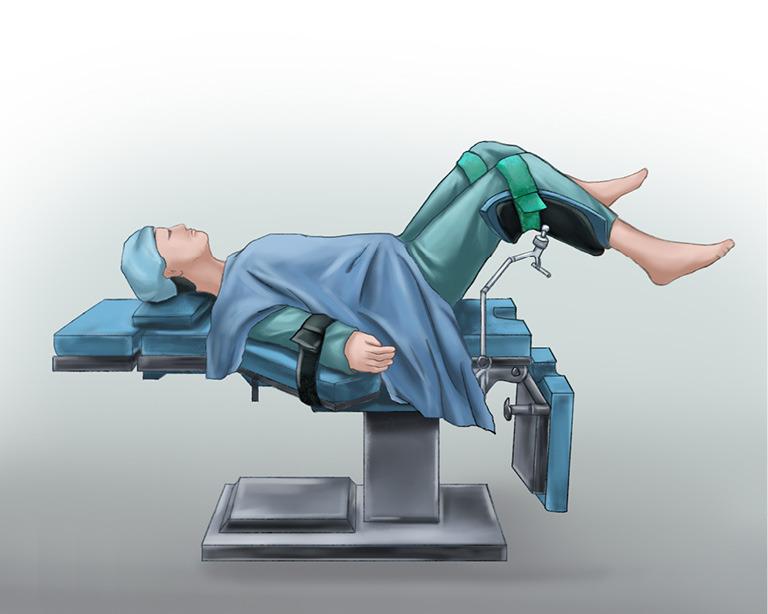
How to position the patient:
- Ask the patient to lie on their back.
- Flex both hips and knees.
- Separate the thighs comfortably.
- Place both legs in properly padded stirrups.
- Ensure that both legs are raised and lowered together.
- Maintain appropriate alignment.
Purpose and indications:
- Used during gynecological examinations.
- Used for vaginal and cervical procedures.
- Commonly used during certain urological procedures.
- Used during selected obstetric procedures.
- Provides access to the perineal and pelvic region.
Nursing responsibilities:
- Explain the procedure and maintain privacy with appropriate draping.
- Ensure adequate padding of the legs and stirrup contact points.
- Avoid excessive hip flexion and abduction.
- Raise and lower both legs simultaneously to prevent hip dislocation or strain.
- Monitor circulation and sensation in the lower limbs.
- Observe for peroneal nerve compression and pressure injuries.
Knee-Chest Position (Genupectoral)
Definition: In the knee-chest position, the patient rests on the knees with the chest lowered toward the bed and the hips elevated.
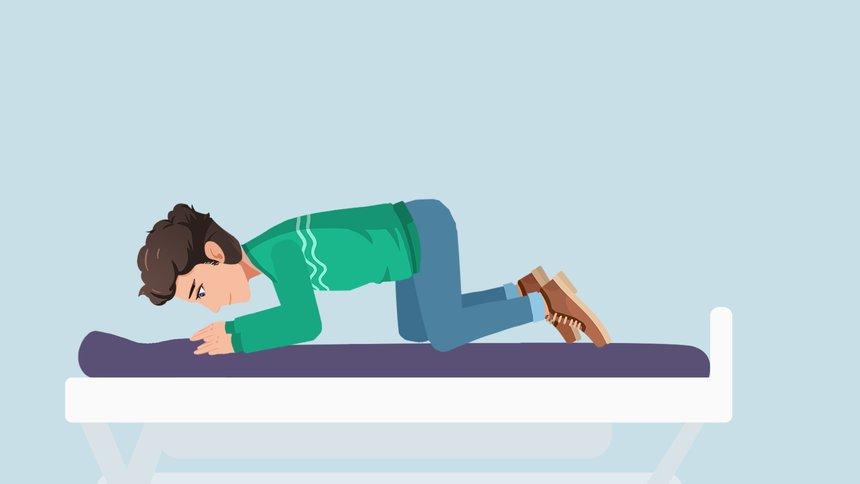
How to position the patient:
- Ask the patient to kneel on the examination surface.
- Lower the chest and shoulders toward the mattress.
- Turn the head to one side.
- Keep the hips elevated.
- Support the patient with pillows if required.
Purpose and indications:
- Used for selected rectal examinations.
- May be used during certain proctological procedures.
- Provides access to the rectal region.
- Used in some specialized diagnostic examinations and cord prolapse management.
Nursing responsibilities:
- Explain the procedure clearly.
- Maintain privacy and dignity.
- Provide adequate support to prevent falls.
- Observe for dizziness, hypotension, and discomfort.
- Assist the patient when returning to a normal position.
Orthopneic Position
Definition: Orthopneic position is a posture in which the patient sits upright and leans forward, usually resting their arms on a bedside table or pillows.
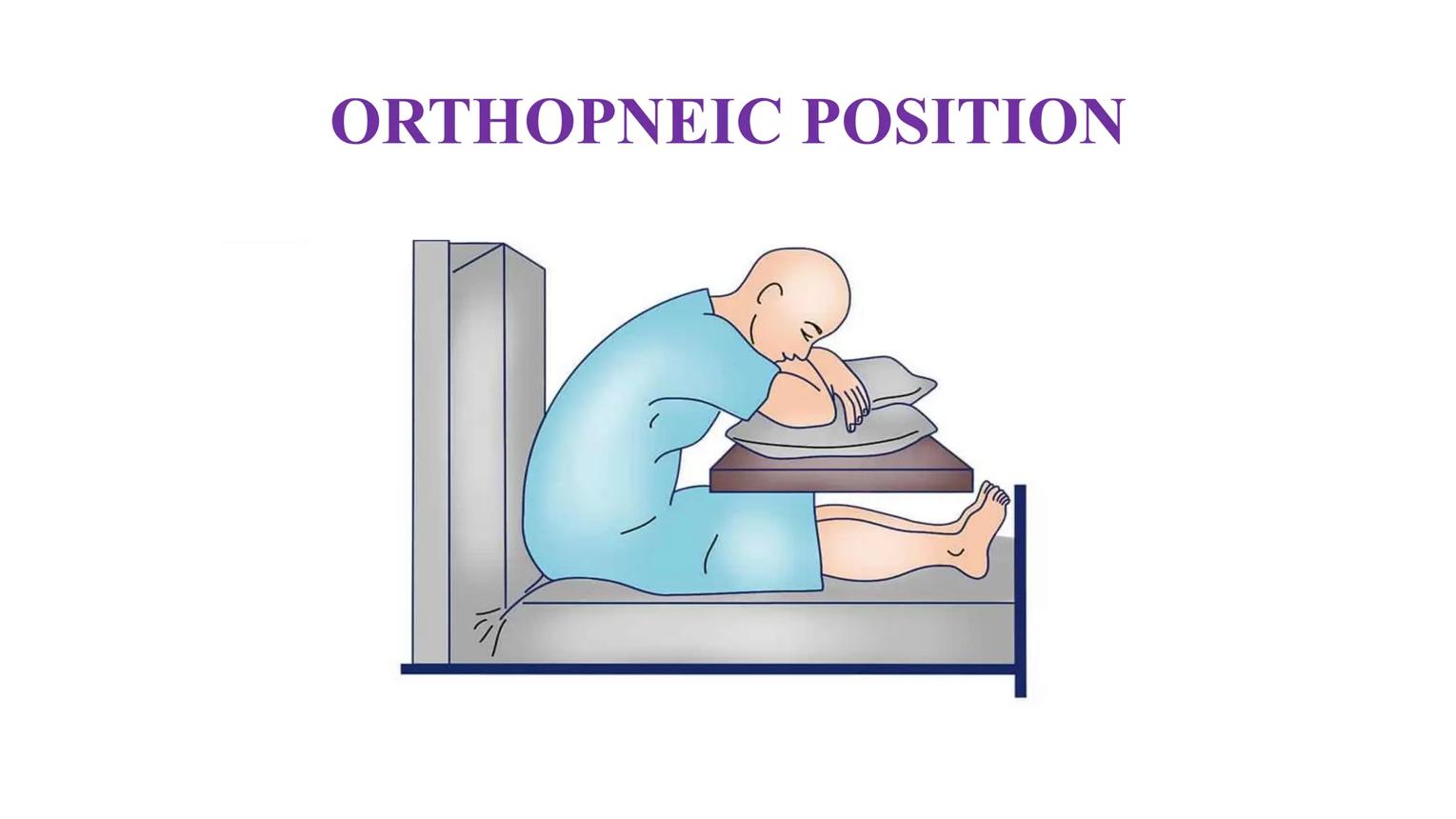
How to position the patient:
- Help the patient sit upright.
- Place a table in front of the patient.
- Put pillows on the table.
- Ask the patient to lean forward.
- Allow the patient to rest their arms on the pillows.
- Keep the feet supported if possible.
Purpose and indications:
- Provides relief from breathlessness in some patients.
- Commonly adopted by patients with orthopnea.
- Helps respiratory muscles work more effectively.
- Allows better chest expansion.
- Often useful in patients with severe respiratory discomfort.
Nursing responsibilities:
- Assess respiratory rate and oxygen saturation.
- Observe the use of accessory respiratory muscles.
- Maintain a calm environment.
- Provide prescribed oxygen therapy.
- Report worsening breathlessness immediately.
Special Patient Positions
Trendelenburg Position
Definition: Trendelenburg position is a posture in which the patient lies on their back with the head lower than the feet. The entire bed or operating table is tilted.
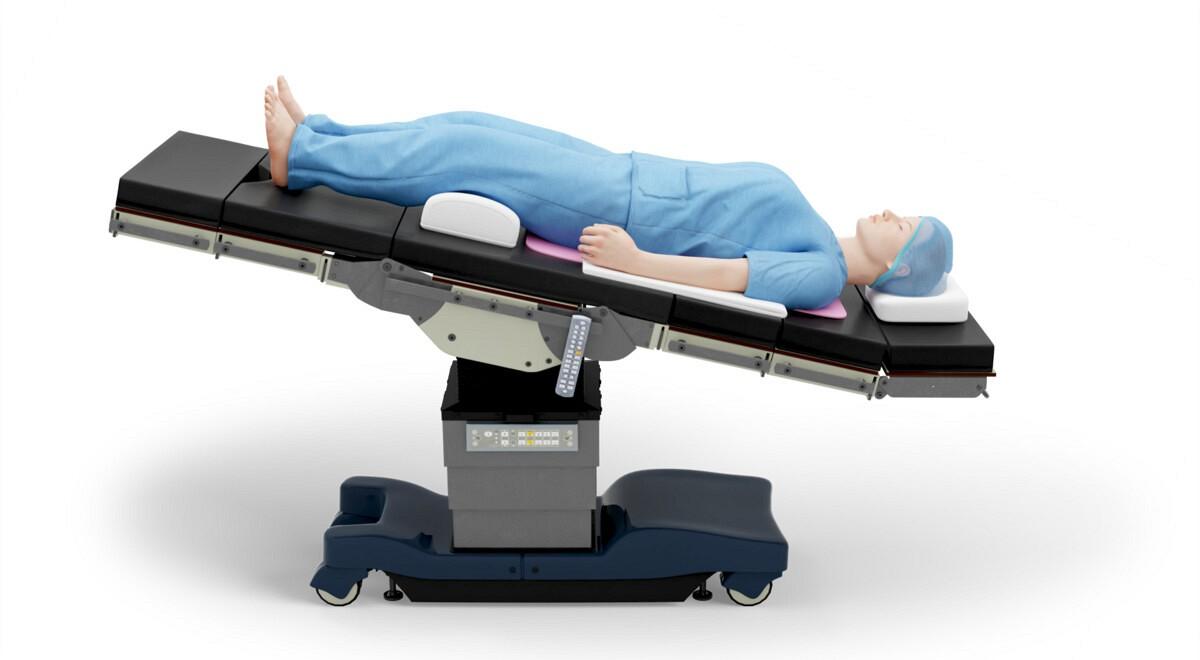
How to position the patient:
- Place the patient supine.
- Keep the body straight.
- Tilt the entire bed so that the head is lower than the feet.
- Secure the patient safely to prevent sliding.
- Support the arms and legs appropriately.
Purpose and indications:
- Used during selected pelvic and lower abdominal surgical procedures.
- Helps improve surgical exposure of the pelvic organs.
- May be used during certain laparoscopic procedures.
- Used in some specialized medical procedures.
Nursing responsibilities:
- Monitor blood pressure and respiratory status.
- Prevent the patient from sliding down.
- Protect the head, neck, and shoulders.
- Observe for increased respiratory difficulty.
- Check the skin and pressure areas.
Reverse Trendelenburg Position
Definition: Reverse Trendelenburg position is a posture in which the patient lies on their back with the head higher than the feet. The entire bed or operating table is tilted.
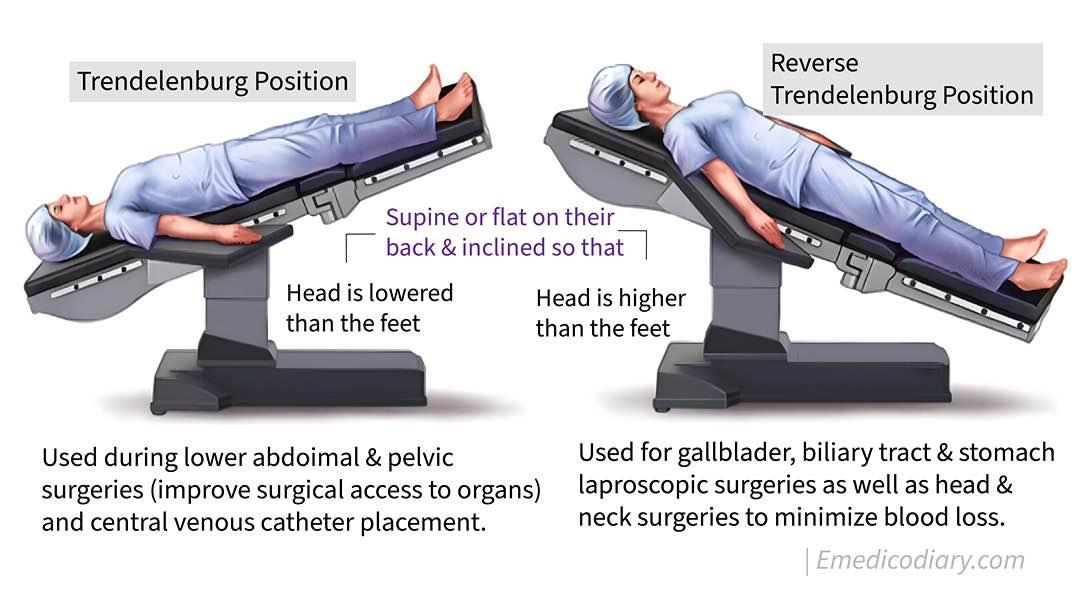
How to position the patient:
- Place the patient flat on their back.
- Maintain proper body alignment.
- Tilt the bed so that the head is higher than the feet.
- Secure the patient to prevent sliding.
- Support the body comfortably.
Purpose and indications:
- Used during selected upper abdominal surgeries (e.g. gallbladder, stomach).
- Helps improve surgical exposure of the upper abdomen.
- May help reduce venous congestion in the head and neck.
- Used in certain laparoscopic procedures.
- May help some patients with severe gastroesophageal reflux symptoms when clinically appropriate.
Nursing responsibilities:
- Monitor blood pressure and pulse.
- Observe for dizziness and hypotension.
- Prevent the patient from sliding downward with foot supports.
- Check circulation in the lower limbs.
- Maintain proper body alignment.
Jackknife Position (Kraske Position)
Definition: The jackknife position is a modified prone position in which the operating table is flexed at the hip level, elevating the buttocks while keeping the head and legs lower.
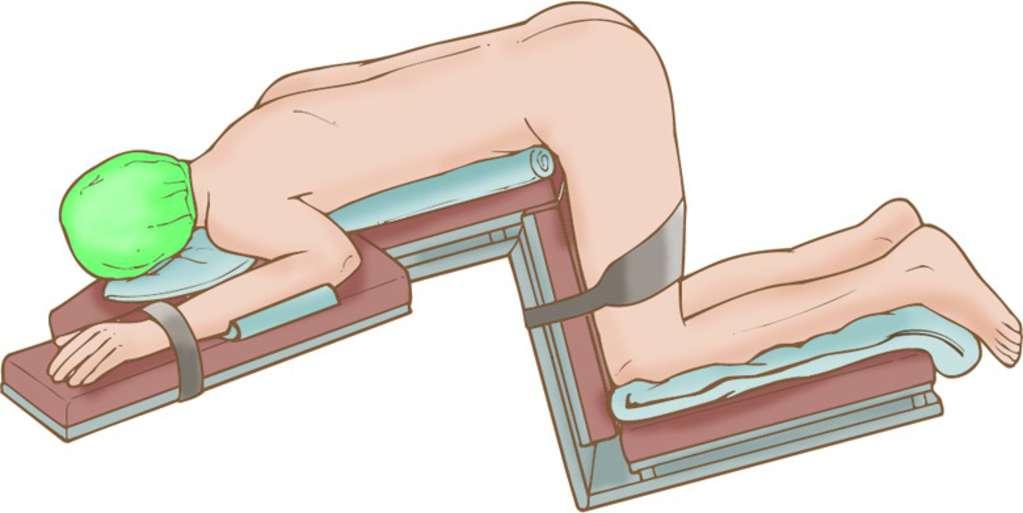
How to position the patient:
- Place the patient prone.
- Flex the operating table at the hip region.
- Elevate the pelvis and buttocks.
- Support the chest and lower limbs.
- Keep the head and neck in a neutral position.
Purpose and indications:
- Commonly used during anorectal surgery.
- Provides better exposure of the anal and rectal region.
- Used during selected hemorrhoid procedures.
- May be used for certain coccygeal and perianal procedures.
Nursing responsibilities:
- Protect pressure points (especially iliac crests and knees).
- Maintain adequate respiratory movement without thoracic compression.
- Check the position of the eyes and face.
- Secure the patient safely.
- Monitor circulation and nerve compression.
- Check all tubes and lines before and after positioning.
Modified Sims' Position
Definition:Modified Sims' position is an adapted side-lying or semi-prone posture in which the patient lies on the left side with the upper leg flexed. The exact arm and leg arrangement may vary according to the procedure and institutional protocol.
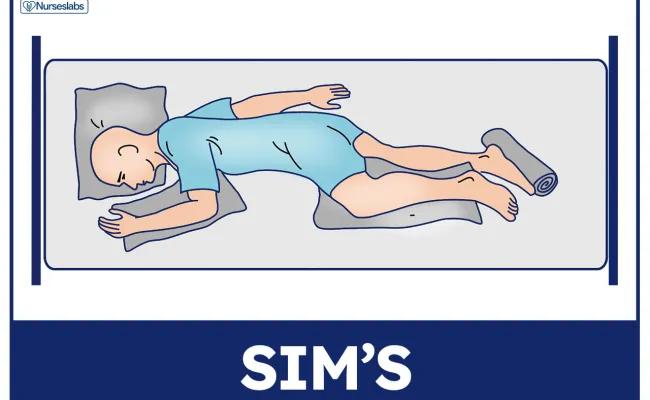
How to position the patient:
- Turn the patient onto the left side.
- Slightly rotate the upper body forward.
- Flex the upper hip and knee.
- Keep the lower leg relatively straight.
- Support the head and upper limbs with pillows.
Purpose and indications:
- Used for selected rectal and perineal procedures.
- May be used during rectal medication administration.
- Helps provide access to the rectal region.
- Can be adapted for comfortable side-lying nursing care.
Nursing responsibilities:
- Maintain proper body alignment.
- Provide privacy and dignity.
- Protect the dependent shoulder and hip.
- Observe the patient's comfort.
- Prevent excessive pressure on bony prominences.
Frog-Leg Position
Definition: Frog-leg position is a posture in which the patient lies on their back with the knees bent, hips externally rotated, and thighs slightly separated.
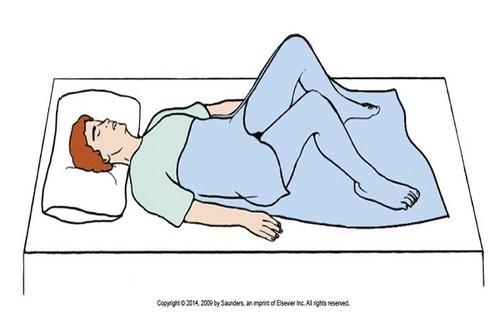
How to position the patient:
- Place the patient in a supine position.
- Flex both knees.
- Allow the hips to rotate outward.
- Separate the knees comfortably.
- Keep the soles of the feet resting on the bed.
- Support the legs if needed.
Purpose and indications:
- Used during selected perineal examinations.
- Helps provide access to the external genital region.
- Commonly used during certain pediatric examinations.
- Used for perineal hygiene and catheter-related care in appropriate patients.
- May be used for selected urinary and genital examinations.
Nursing responsibilities:
- Explain the procedure.
- Maintain privacy.
- Avoid excessive hip rotation.
- Support the legs comfortably.
- Observe for pain or restricted joint movement.
Tripod Position
Definition: Tripod position is a posture in which the patient sits upright, leans forward, and supports the upper body using the hands or forearms on the knees or a table.
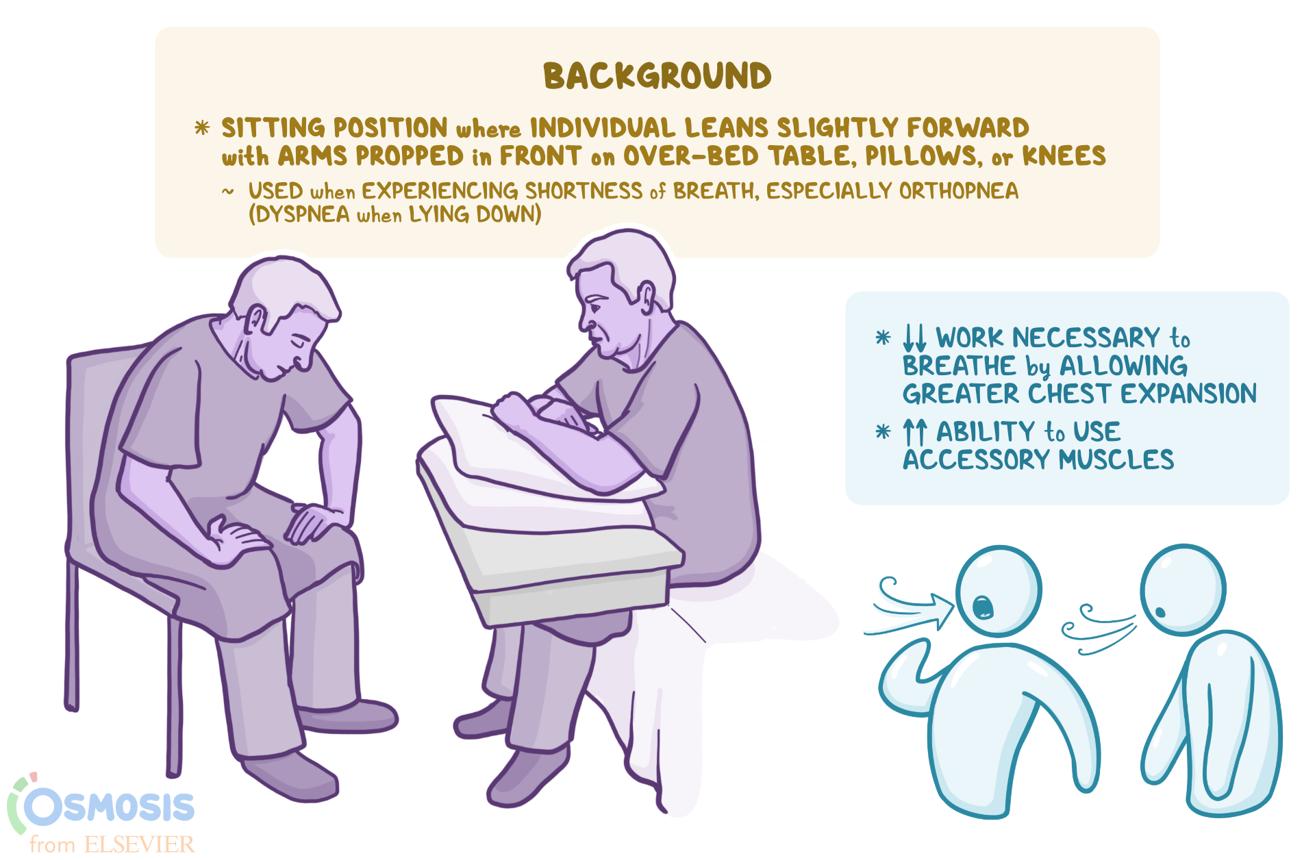
How to position the patient:
- Help the patient sit upright.
- Ask them to lean slightly forward.
- Allow the forearms to rest on the thighs or a bedside table.
- Keep the shoulders relaxed.
- Avoid restricting chest movement.
Purpose and indications:
- Commonly adopted by patients experiencing severe breathlessness.
- Seen in patients with COPD, asthma exacerbation, and other obstructive respiratory conditions.
- Helps stabilize the shoulder girdle.
- May improve the effectiveness of accessory respiratory muscles.
- Helps some patients breathe more comfortably.
Nursing responsibilities:
- Assess respiratory rate and oxygen saturation.
- Observe for cyanosis and use of accessory muscles.
- Administer oxygen as prescribed.
- Avoid forcing the patient to lie flat.
- Report severe or worsening respiratory distress immediately.
Dangling Position
Definition: Dangling position refers to a posture in which the patient sits on the edge of the bed with the legs hanging downward.
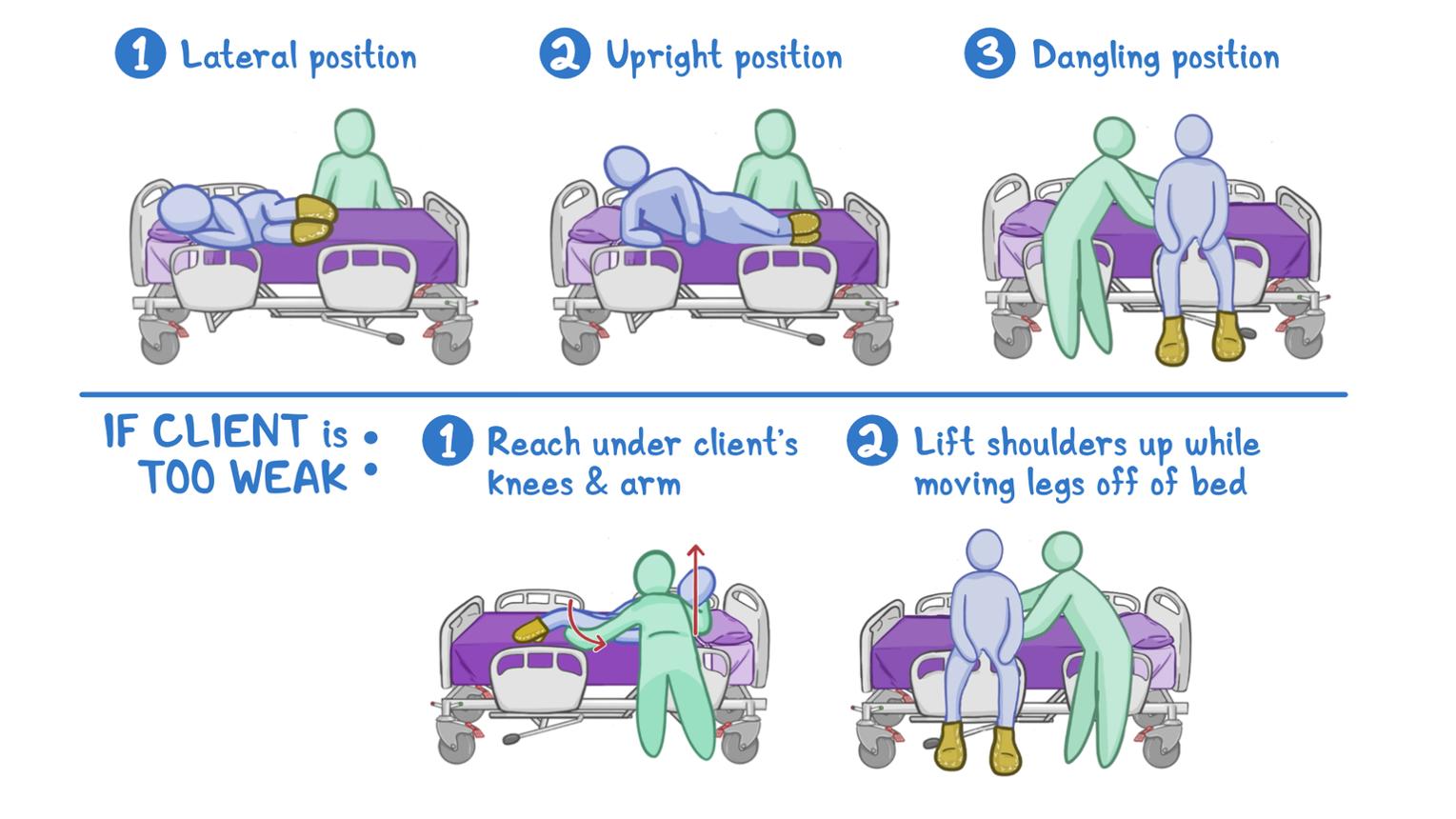
How to position the patient:
- Help the patient move toward the edge of the bed.
- Assist them into a sitting position.
- Allow both legs to hang over the side.
- Support the feet if necessary.
- Keep the patient balanced and supported.
Purpose and indications:
- Used before assisting patients to stand or walk.
- Helps assess tolerance to sitting upright.
- Allows assessment for postural hypotension.
- Used during early postoperative mobilization.
- Helps patients gradually adjust to changes in body position.
Nursing responsibilities:
- Assess blood pressure and pulse when indicated.
- Watch for dizziness, faintness, pallor, and weakness.
- Keep the bed at a safe, low height.
- Never leave an unstable patient unattended.
- Assist the patient back to bed if orthostatic symptoms occur.
Surgical and Diagnostic Positions
Supine Surgical Position
Definition: Supine surgical position is an operative posture in which the patient lies flat on their back on the operating table.
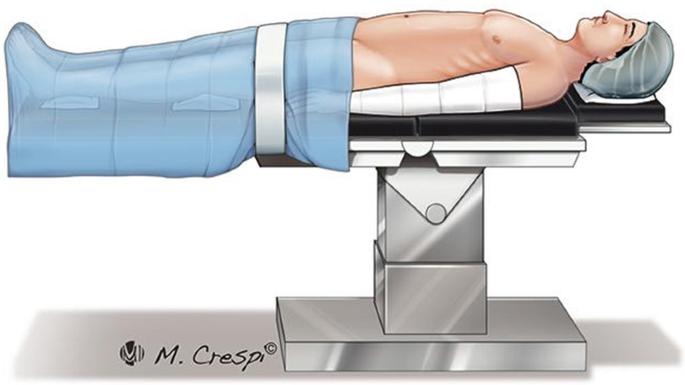
How to position the patient:
- Place the patient in a supine position.
- Keep the head in a neutral position.
- Position the arms beside the body or on padded armboards.
- Keep the legs extended.
- Apply appropriate safety straps.
- Provide padding under pressure points.
Purpose and indications:
- Used in abdominal surgery.
- Commonly used in chest and breast surgery.
- Used during many general surgical procedures.
- Suitable for selected head, neck, and upper-limb procedures.
- Provides access to the anterior surface of the body.
Nursing responsibilities:
- Check body alignment before anesthesia.
- Protect the elbows, heels, and sacrum.
- Avoid excessive arm abduction (>90 degrees).
- Ensure that intravenous lines and monitoring equipment are secure.
- Check the patient's skin after surgery.
Prone Surgical Position
Definition: Prone surgical position is an operative posture in which the patient lies face down on the operating table.
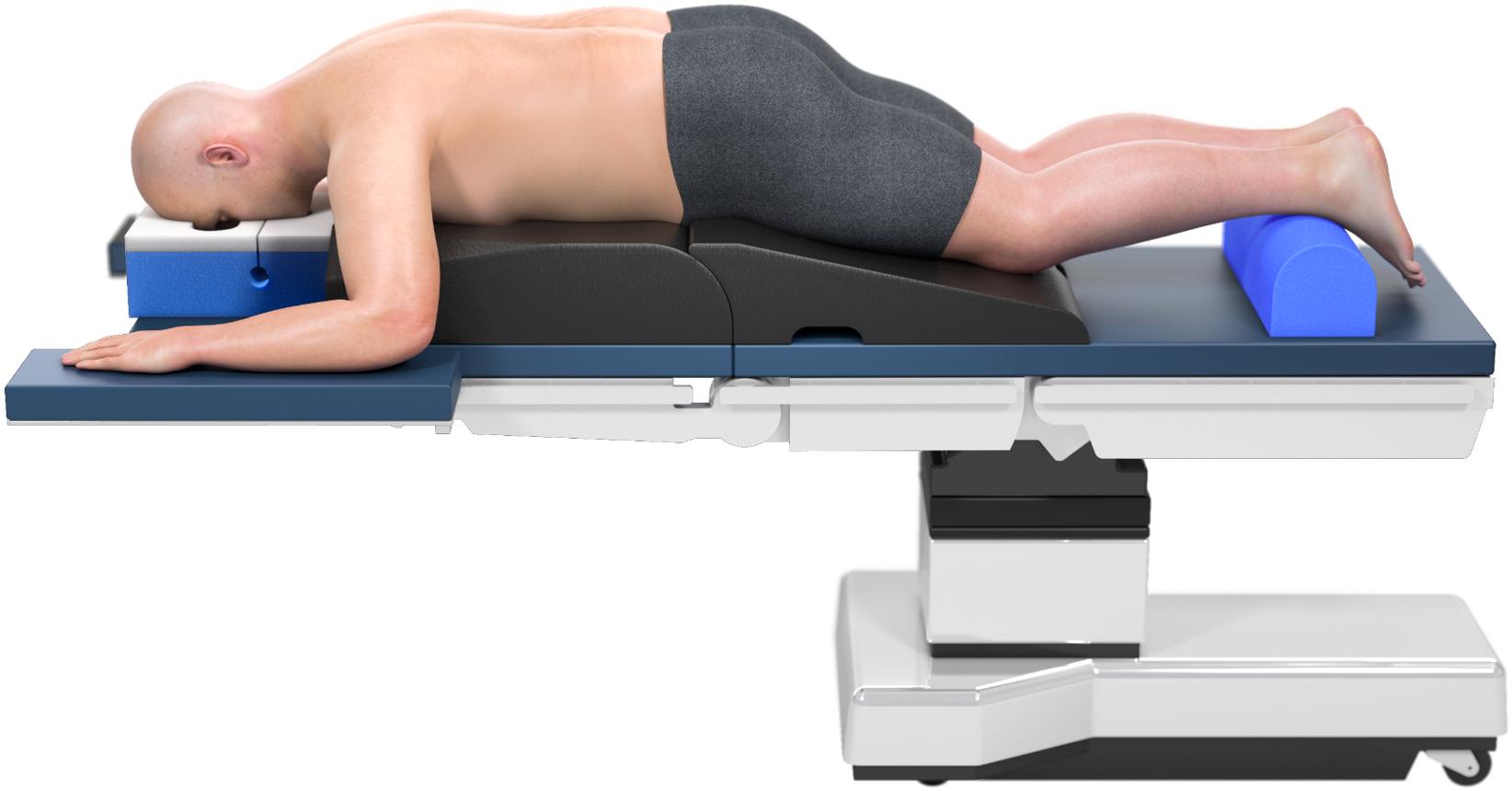
How to position the patient:
- After induction of anesthesia, carefully turn the patient prone with a coordinated team.
- Support the chest and pelvis with appropriate positioning devices.
- Keep the abdomen free from unnecessary pressure.
- Position the head and neck safely.
- Protect the eyes, face, knees, and toes.
Purpose and indications:
- Used during spinal surgery.
- Used for selected posterior thoracic procedures.
- Provides access to the back and posterior spinal region.
- Used in certain orthopedic procedures.
- May be used for selected posterior body surgeries.
Nursing responsibilities:
- Ensure that the airway and breathing equipment remain secure.
- Protect the eyes from direct pressure to prevent ischemic optic neuropathy.
- Check all pressure points.
- Ensure that the abdomen is not compressed (preventing vena cava compression and bleeding).
- Monitor circulation and nerve function as appropriate.
- Check the position of tubes and catheters.
Lateral Decubitus Position
Definition: Lateral decubitus position is a surgical posture in which the patient lies on one side, with the dependent side supported and the upper side positioned appropriately for surgery.
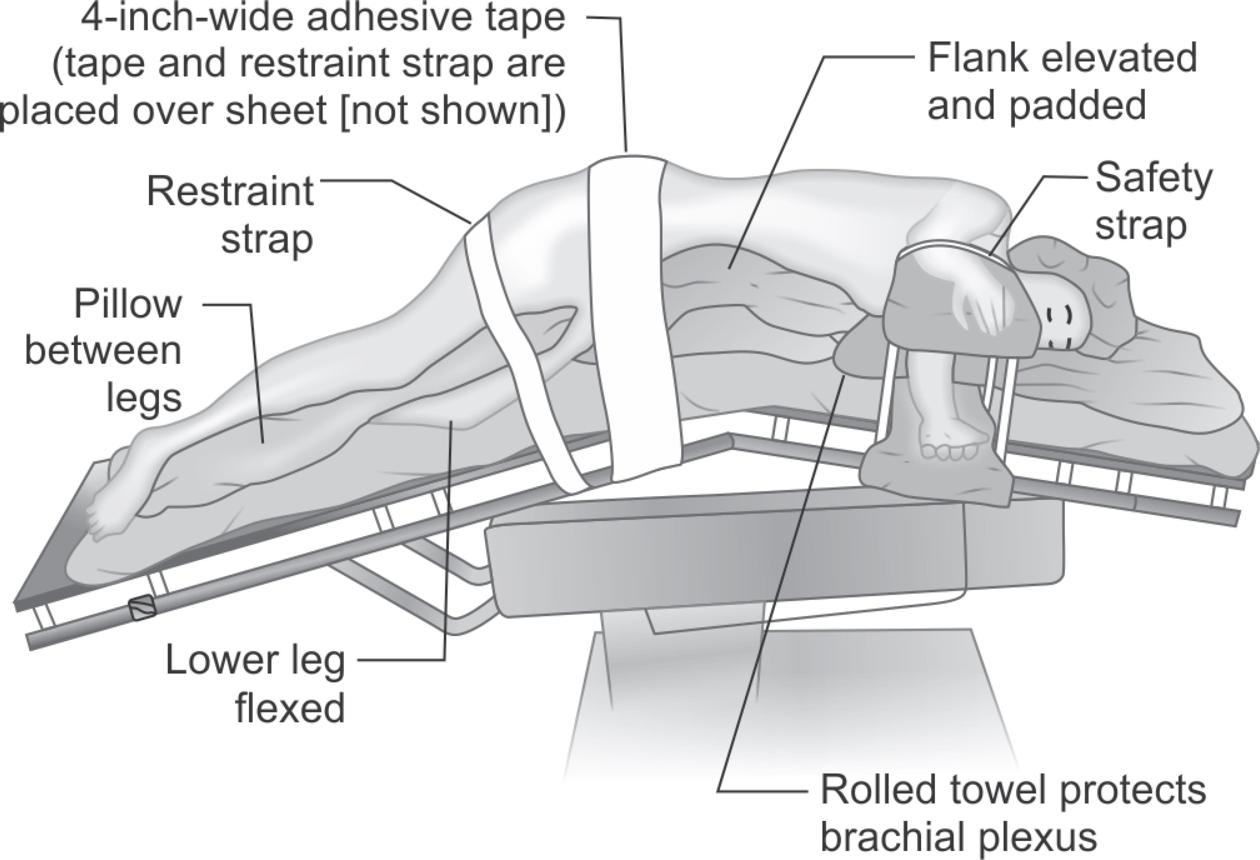
How to position the patient:
- Place the patient on the required side.
- Support the head and neck.
- Place an appropriate axillary roll below the chest wall, not directly in the armpit.
- Keep the spine aligned.
- Support the upper leg and arm.
- Secure the patient with suitable positioning devices.
Purpose and indications:
- Used during thoracic surgery.
- Used for selected kidney and renal surgeries.
- Provides access to the lateral chest wall.
- Used during certain hip procedures.
- Allows surgical access to one side of the body.
Nursing responsibilities:
- Protect the dependent shoulder and hip.
- Monitor pressure on the peroneal nerve (padding dependent fibular head).
- Avoid compression of the dependent arm.
- Check the position of the head and neck.
- Ensure that the patient is securely supported.
Lithotomy Surgical Position
Definition: The lithotomy surgical position is an operative position in which the patient lies on their back with the hips and knees flexed and both legs supported in stirrups.
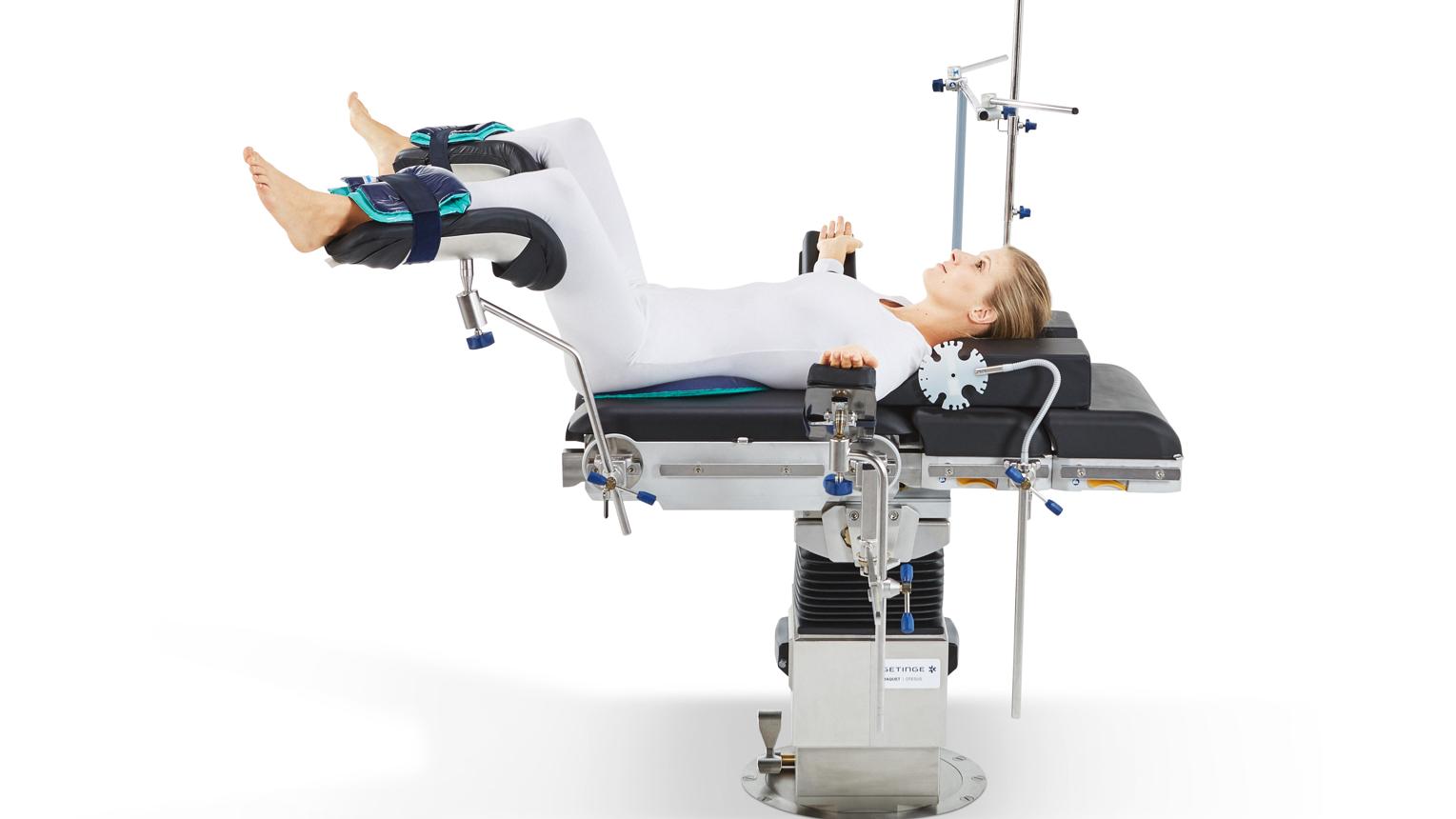
How to position the patient:
- Place the patient supine.
- Flex the hips and knees.
- Place both legs in padded stirrups.
- Keep the legs at a safe and symmetrical angle.
- Raise both legs simultaneously.
- Secure the patient's body appropriately.
Purpose and indications:
- Used in gynecological surgery.
- Used during vaginal and cervical procedures.
- Commonly used in selected urological surgeries.
- Used during certain anorectal operations.
- Provides access to the pelvic and perineal region.
Nursing responsibilities:
- Check the padding of the stirrups.
- Avoid excessive hip flexion and abduction.
- Protect the lower limbs from common peroneal and saphenous nerve compression.
- Raise and lower both legs together with two team members.
- Observe for postoperative numbness, foot drop, or weakness.
- Maintain privacy and dignity.
Kidney Position
Definition:Kidney position is a modified lateral surgical position in which the patient's flank is elevated, often by flexing the operating table or raising a kidney bridge.
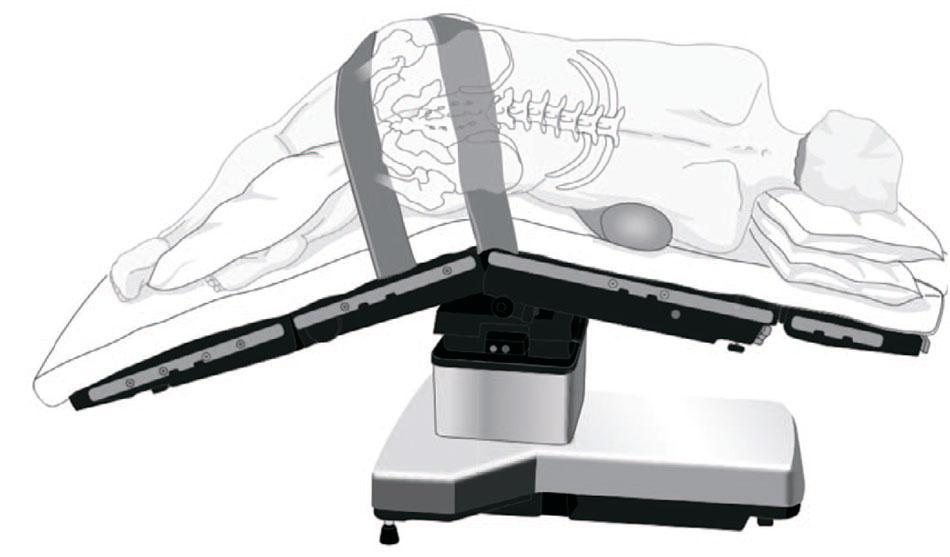
How to position the patient:
- Place the patient in a lateral position.
- Position the affected kidney upward.
- Flex the operating table at the waist or use a kidney bridge when indicated.
- Support the chest and pelvis.
- Place padding under pressure points.
- Secure the patient safely.
Purpose and indications:
- Used during nephrectomy.
- Used for selected renal surgeries.
- Provides better exposure of the kidney.
- Helps the surgeon access the retroperitoneal region.
- May be used during selected upper urinary tract procedures.
Nursing responsibilities:
- Check the dependent shoulder and hip.
- Protect the nerves and pressure points.
- Monitor respiratory movement.
- Ensure that the patient is securely positioned.
- Check the skin and circulation after surgery.
Beach-Chair Position
Definition:Beach-chair position is a modified sitting surgical posture in which the patient's upper body is elevated while the hips and knees are supported.
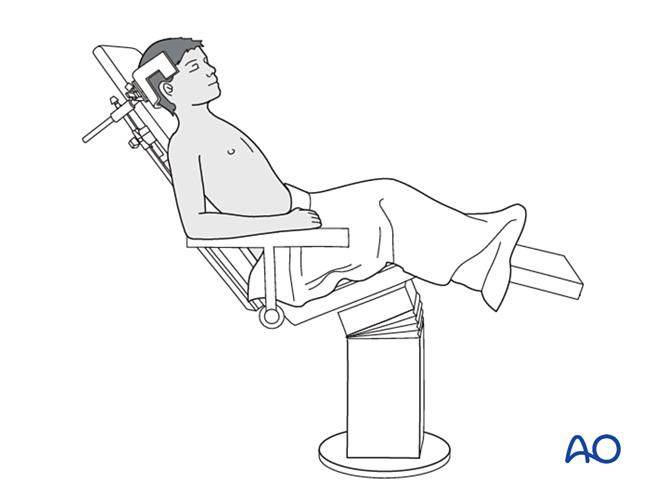
How to position the patient:
- Place the patient on the operating table.
- Elevate the upper body to the required angle.
- Support the head and neck securely in a headrest.
- Keep the legs comfortably positioned.
- Support and secure the arms.
- Ensure that the patient does not slide down.
Purpose and indications:
- Commonly used in shoulder surgery (rotator cuff repair, arthroplasty).
- Used during selected orthopedic procedures.
- Provides good access to the shoulder joint.
- May be used for certain upper-limb procedures.
- Allows the surgeon to work with the patient in a semi-sitting posture.
Nursing responsibilities:
- Monitor blood pressure carefully.
- Consider the risk of reduced cerebral perfusion pressure (hypotension at brain level).
- Ensure that the head and neck remain aligned without hyperextension.
- Protect pressure areas.
- Secure the patient properly.
- Follow anesthesia and surgical monitoring protocols.
Sitting Surgical Position
Definition: The sitting position is a posture in which the patient is placed upright on the operating table, with the trunk elevated and the head supported.
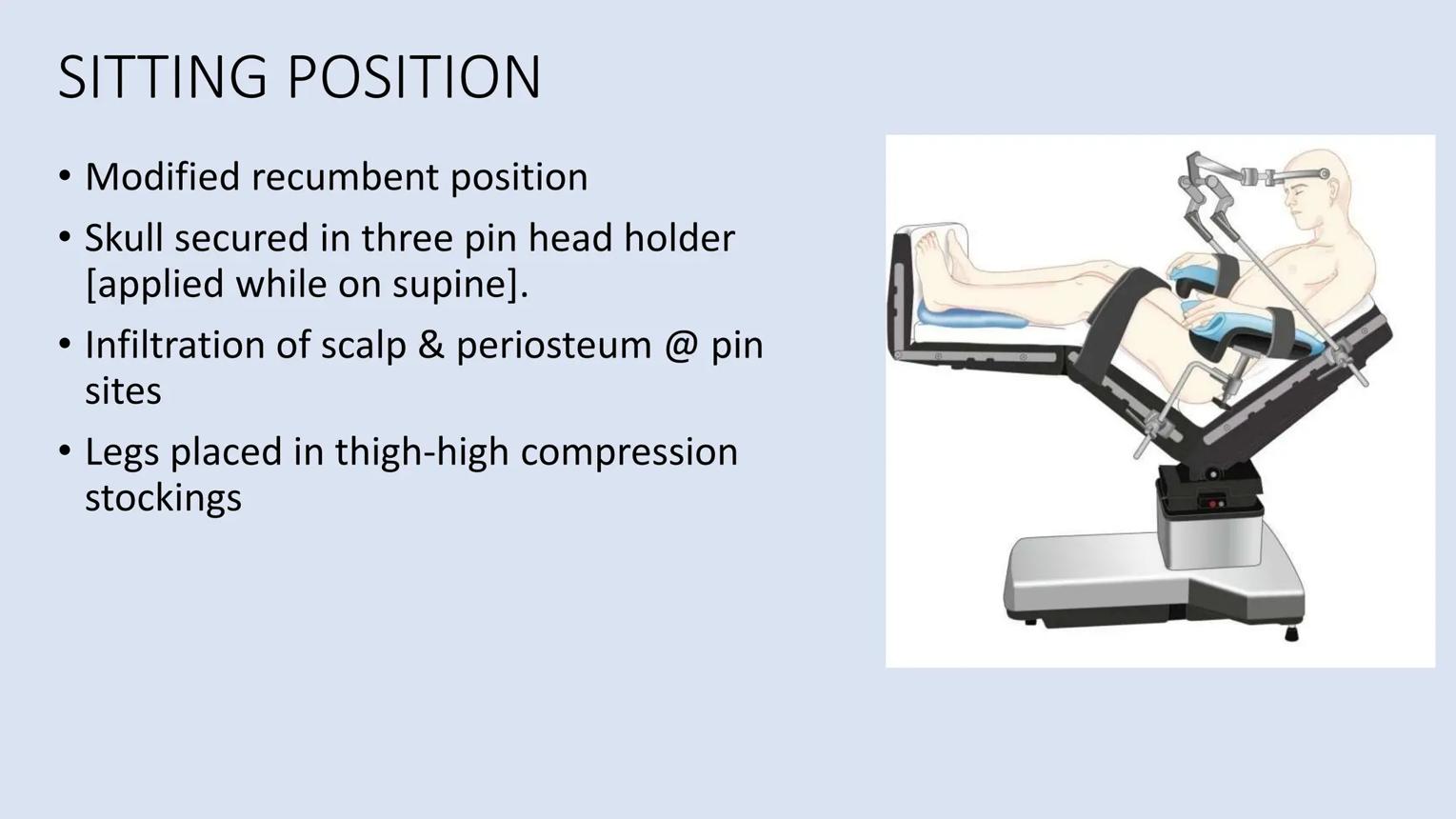
How to position the patient:
- Position the patient upright according to the surgical requirement.
- Support the head and neck rigidly with Mayfield skull pins or padded headrest.
- Keep the spine aligned.
- Support the arms and legs.
- Secure the patient to prevent falling.
- Maintain appropriate padding under pressure points.
Purpose and indications:
- Used in selected neurosurgical procedures.
- Provides access to the posterior fossa and certain cervical spinal procedures.
- Used during selected spinal operations.
- May provide improved surgical visualization and venous drainage in specific procedures.
- Allows access to certain posterior structures.
Nursing responsibilities:
- Monitor blood pressure and oxygen saturation.
- Observe for venous air embolism (VAE), a recognized critical risk in sitting neurosurgical procedures.
- Maintain proper head and neck alignment.
- Check pressure areas.
- Ensure that all monitoring lines and endotracheal tubes are secure.
5. Quick Revision Table: Position vs. Main Clinical Indication
High-yield summary table linking each patient position to its primary nursing and clinical use:
| Position | Primary Purpose & Clinical Indication |
|---|---|
| Supine | General physical examination & anterior body procedures |
| Prone | Back examination, spinal surgeries & severe ARDS oxygenation |
| Lateral | Side-lying care, back assessments & pressure ulcer relief |
| Sims' | Rectal examination, enema administration & suppositories |
| Dorsal recumbent | Abdominal examination, perineal care & female catheterization |
| Fowler's (45°–60°) | Respiratory comfort, lung expansion & oral feeding |
| Semi-Fowler's (30°–45°) | Postoperative recovery & nasogastric tube enteral feeding |
| High Fowler's (60°–90°) | Severe breathing difficulty, orthopnea & eating |
| Lithotomy | Gynecological examination, childbirth & pelvic surgery |
| Knee-chest | Rectal examination, proctological surgery & cord prolapse |
| Orthopneic | Relief of severe breathlessness leaning over bedside table |
| Trendelenburg | Selected pelvic & lower abdominal surgeries |
| Reverse Trendelenburg | Selected upper abdominal & laparoscopic surgeries |
| Jackknife (Kraske) | Anorectal surgery, hemorrhoidectomy & pilonidal sinus |
| Frog-leg | Perineal examination, pediatric exams & catheter care |
| Tripod | Acute respiratory distress & COPD accessory muscle use |
| Dangling | Assessment of orthostatic tolerance before patient ambulation |
6. Important Nursing Precautions
Always explain the procedure before positioning the patient to reduce anxiety and gain cooperation.
Maintain privacy and dignity with appropriate draping and closed room curtains.
Maintain proper anatomical body alignment using trochanter rolls, pillows, and foot supports.
Protect bony prominences (sacrum, heels, elbows, trochanters) with appropriate medical padding.
Check circulation, peripheral sensation, and skin integrity before, during, and after positioning.
Secure the patient safely during surgical table tilting and specialized positioning.
Consider the patient's age, medical condition, skin fragility, and baseline mobility.
Never force a patient into a position that causes severe pain or compromises airway and breathing.
The clinical illustrations in this guide are intended as visual learning aids. Actual patient positioning must strictly follow the individual patient's physiological condition, surgical procedure requirements, physician orders, and facility protocols.
Clinical References & Authoritative Guidelines
Clinical References & Authoritative Guidelines

Ramsingh Vishnoi is a serving Central Government Nursing Officer at the All India Institute of Medical Sciences (AIIMS), Rishikesh. Securing an All India Rank (AIR) of 468 in the prestigious AIIMS NORCET 10 examination and successfully qualifying as an RRB Nursing Officer (2025), he brings extensive frontline clinical experience in acute inpatient care, clinical procedures, emergency resuscitation, and medical-surgical nursing. As an esteemed reviewer on the Smart Nursing Prep Clinical Board, he verifies medical accuracy, hospital protocol alignment, and competitive examination relevance across foundational and advanced nursing guides.
Related Study Guides & Notes