
National Immunization Schedule (India)
Overview & Universal Immunization Principles
Immunization is the cornerstone of global pediatric preventive medicine, child survival strategies, and maternal-infant health. A vaccine may appear as a simple intramuscular injection or oral drop administered to a fragile neonate, yet its immunological priming confers potent, life-long protective immunological memory against deadly infectious pathogens.
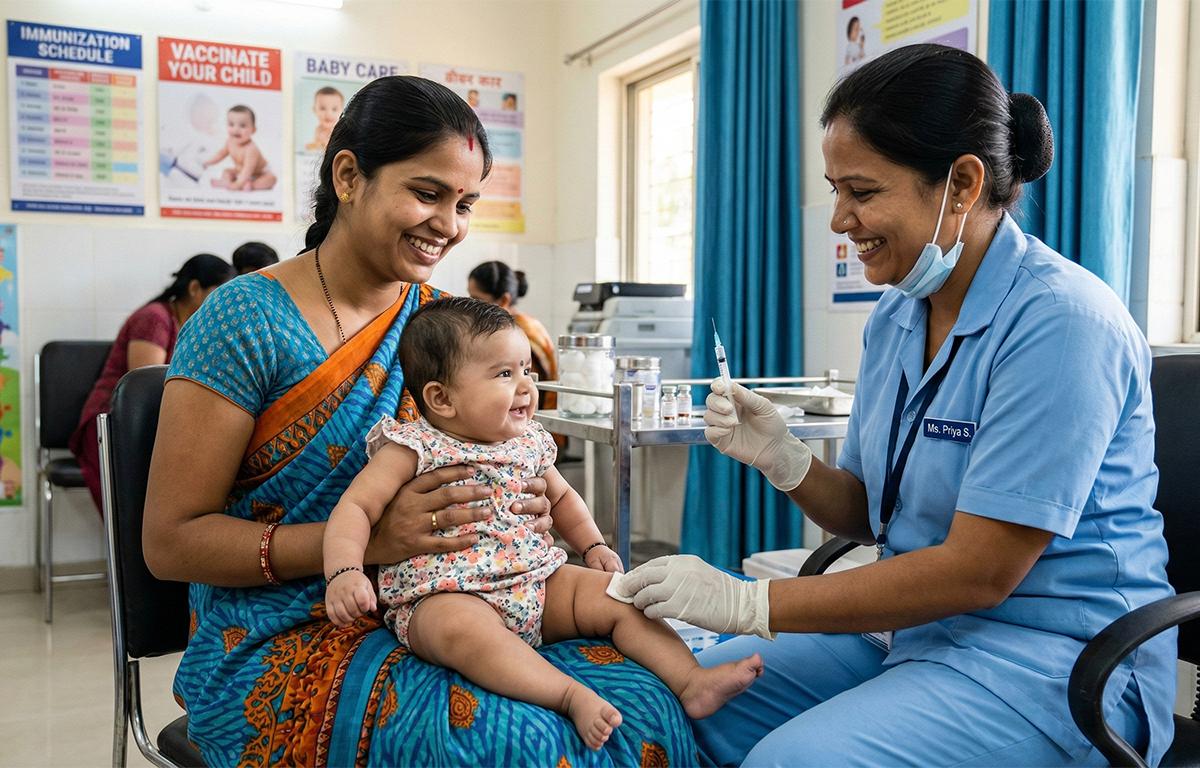
A newborn infant enters extrauterine existence with an immature, naive immune system. While maternal transplacental IgG antibodies confer partial passive protection during early months, these circulating antibodies wane rapidly. The National Immunization Schedule (NIS) of India outlines the mandatory evidence-based timetable specifying exact chronologic ages, antigens, anatomical sites, dosages, and routes required to optimize antigen processing and prevent lethal childhood diseases.
Primary Public Health Objectives of the NIS
- Drastically reduce Under-5 Mortality Rate (U5MR) and Infant Mortality Rate (IMR).
- Eliminate neonatal tetanus through maternal antenatal immunization.
- Sustain wild poliovirus-free status and maintain high population immunity against polioviruses.
- Prevent permanent neurological, orthopedic, or sensory disability caused by measles, rubella, and Japanese encephalitis.
- Achieve equitable vaccine coverage across underserved rural, tribal, and peri-urban populations.
Table of Contents(24 Sections)
Clinical Importance & Community Herd Protection
Vaccines operate through adaptive immune activation. Introducing a weakened (attenuated) pathogen, killed organism, or purified protein subunit stimulates antigen-presenting cells, initiating specific humoral antibody production and cellular memory T-lymphocyte generation without precipitating full clinical disease.
Individual Protection
Primes the child's adaptive immune system with neutralizing antibodies, preventing life-threatening invasive infections such as pneumococcal sepsis, severe rotaviral dehydration, and tuberculous meningitis.
Herd (Community) Immunity
When high population coverage (≥95% for measles, ≥85% for polio) is achieved, chains of transmission are broken. This protects medically vulnerable individuals who cannot be vaccinated, including immunocompromised children and premature infants.
Socioeconomic Preservation
Averting chronic disabilities (e.g., congenital rubella cataracts, post-polio paralysis, pertussis encephalopathy) substantially reduces catastrophic out-of-pocket medical expenditures for underprivileged families.
Universal Immunization Program (UIP) Architecture
Launched by the Government of India in 1985 (evolving from the Expanded Program on Immunization initiated in 1978), the Universal Immunization Program (UIP) is one of the largest public health logistics programs globally, targeting over 26 million newborns and 29 million pregnant women annually.
Public Health Service Delivery Network
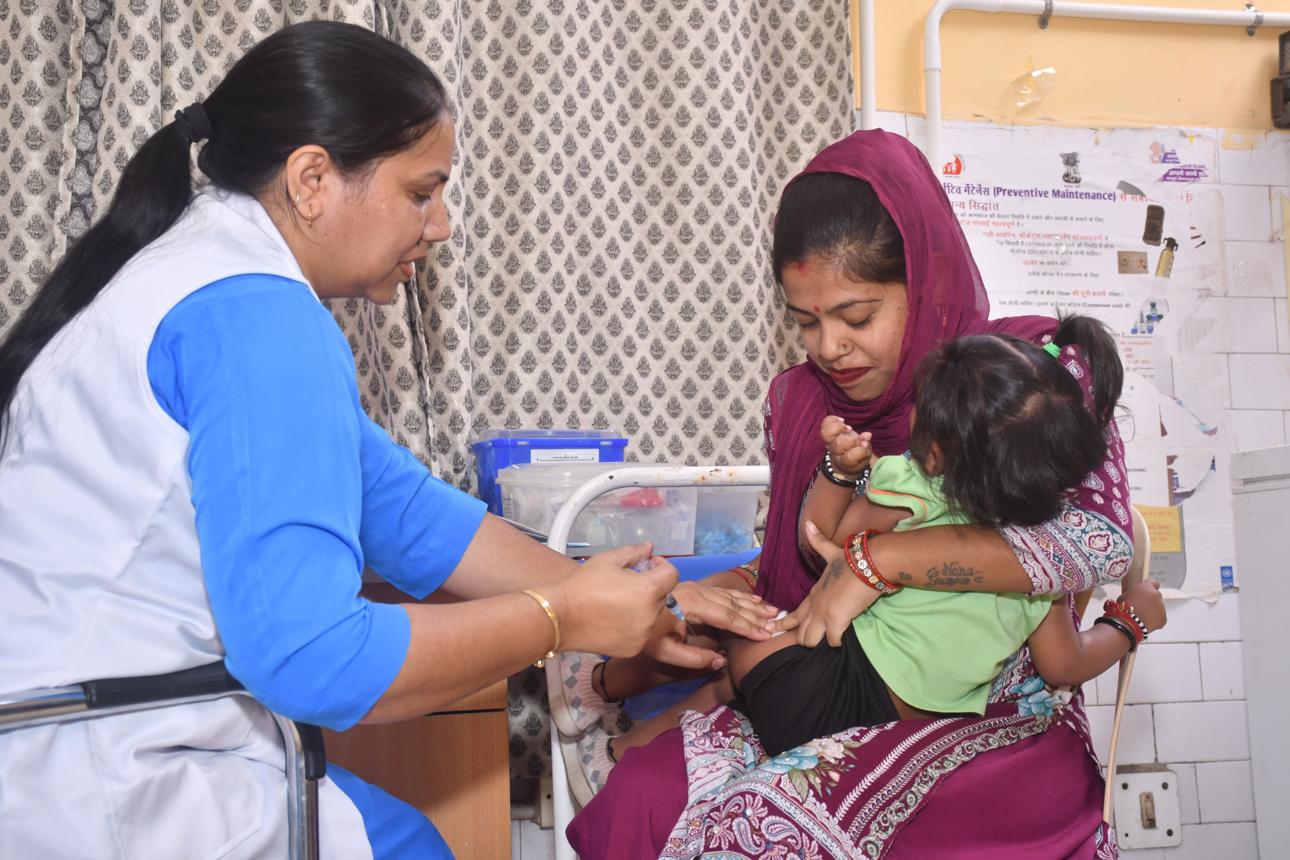
Vaccines under the UIP are provided entirely free of cost at every tier of India's public health infrastructure:
- Primary Care: Ayushman Arogya Mandirs (Health & Wellness Centers), Sub-Centers, and Anganwadi Centers.
- Secondary & Tertiary Care: Primary Health Centers (PHCs), Community Health Centers (CHCs), Sub-Divisional and District Hospitals, and Medical Colleges.
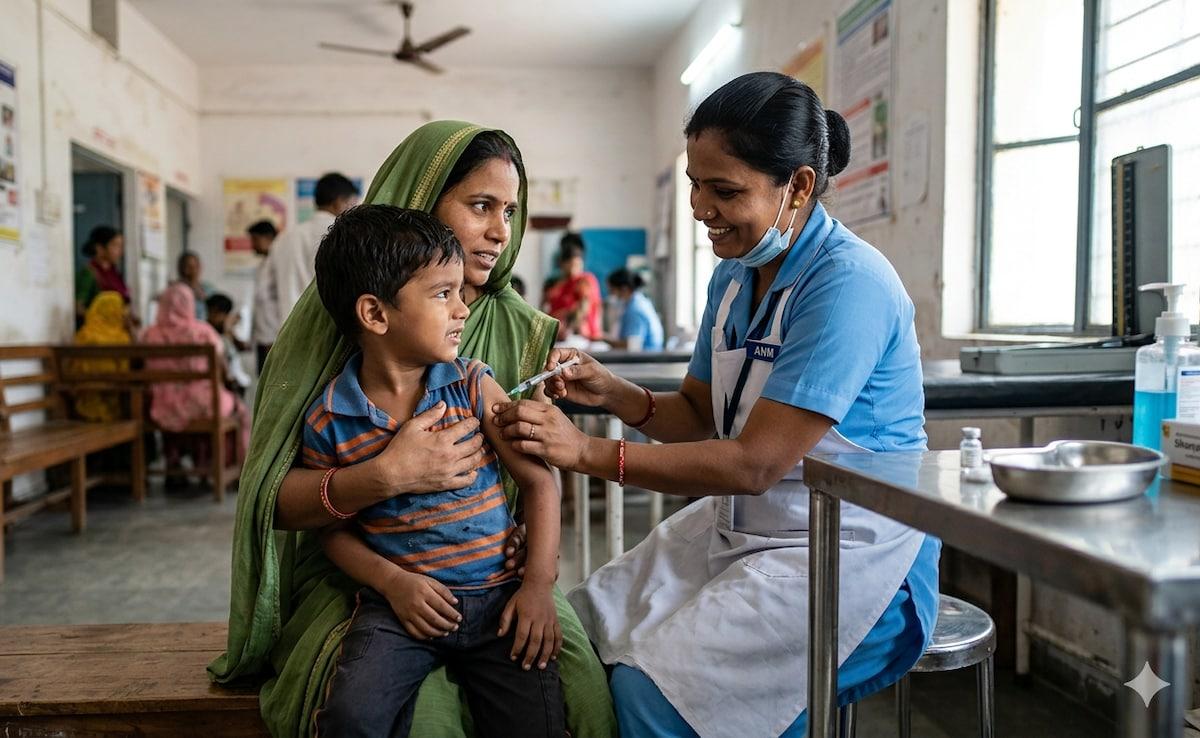
- Village Health Sanitation and Nutrition Days (VHSND): Monthly outreach sessions conducted by Auxiliary Nurse Midwives (ANMs) and ASHAs in rural and urban slum pockets.
Diseases Prevented Under India's UIP
| Scope | Target Vaccine-Preventable Diseases | Vaccine Formulations |
|---|---|---|
| Nationwide Coverage (11 Diseases) | Tuberculosis, Poliomyelitis, Diphtheria, Pertussis, Tetanus, Hepatitis B, Haemophilus influenzae type b (Hib), Measles, Rubella, Rotavirus diarrhea, and Pneumococcal disease | BCG, bOPV, fIPV, Hepatitis B, Pentavalent (DPT-HepB-Hib), MR, RVV, PCV, DPT booster, Td |
| Sub-National / Endemic Districts | Japanese Encephalitis (JE) | Live attenuated SA 14-14-2 vaccine (administered in 231 endemic districts) |
National Immunization Schedule: Infants & Children
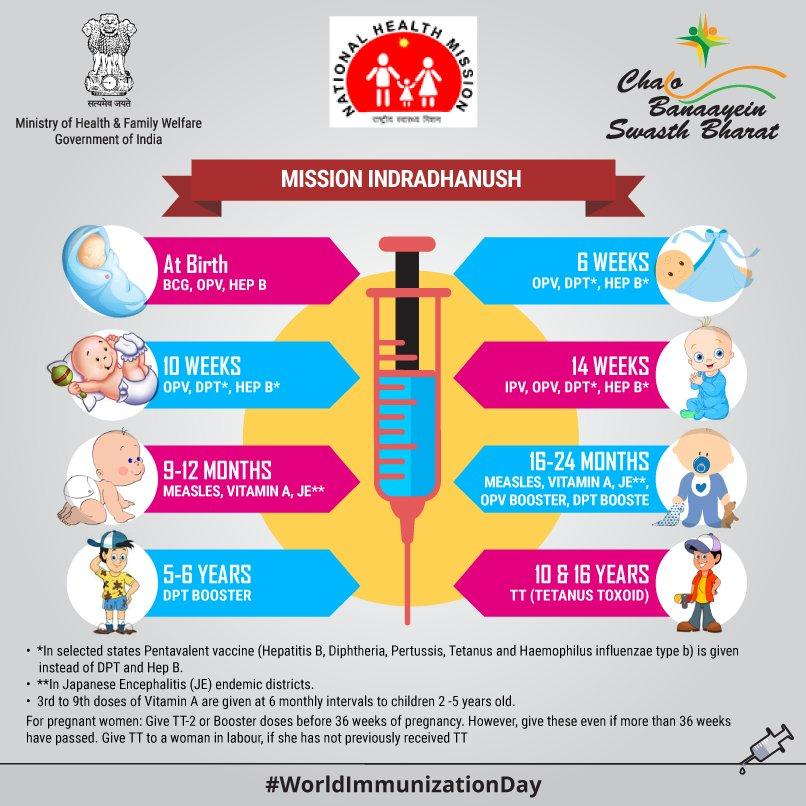
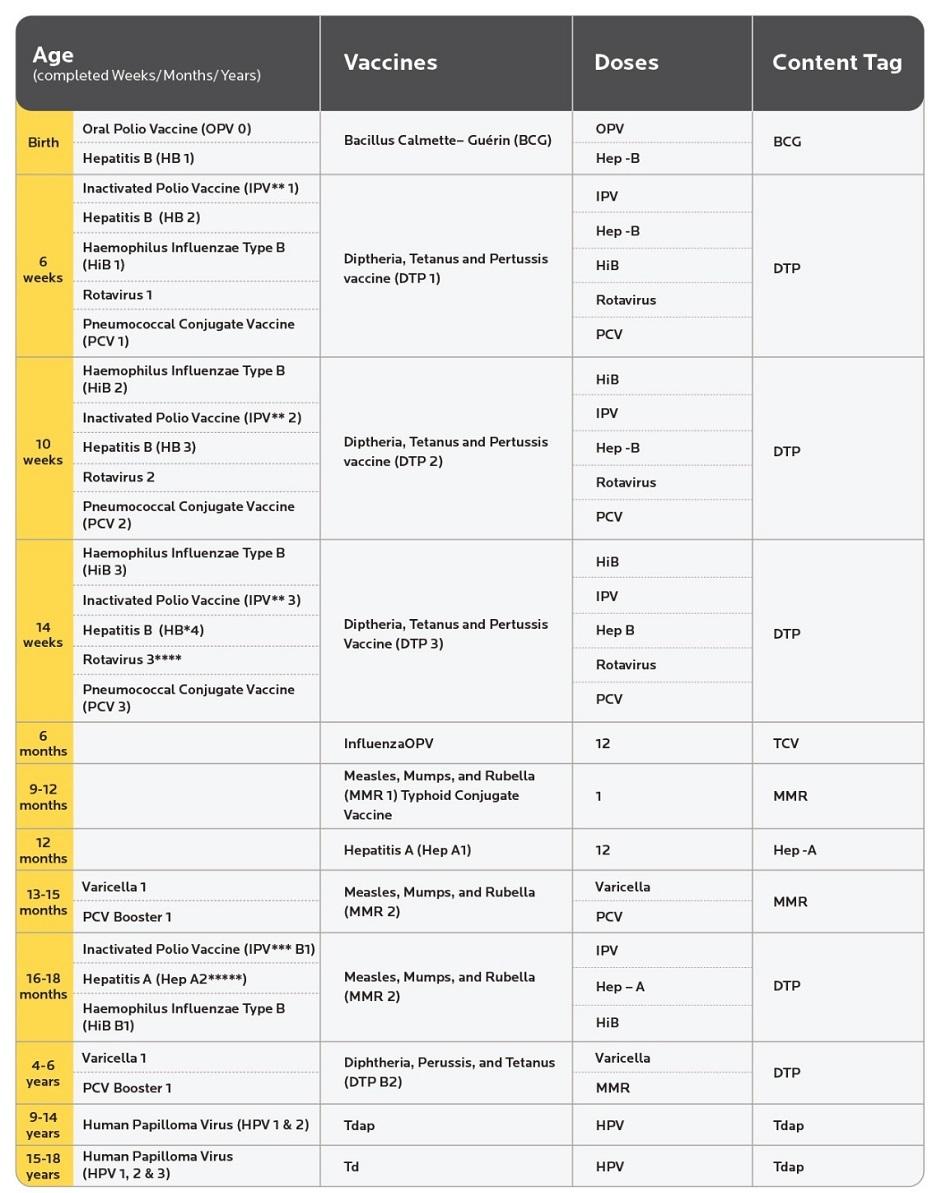
The National Immunization Schedule for infants and children follows a precise chronology based on the latest Government of India published guidelines. Below is the master schedule followed by detailed clinical breakdowns for each age milestone.
National Immunization Schedule (NIS) Master Chart
| Age Milestone | Scheduled Vaccines | Dose | Route | Anatomical Site |
|---|---|---|---|---|
| At Birth | BCG | 0.05 mL (<1 mo) / 0.1 mL | Intradermal (ID) | Left upper arm |
| OPV-0 | 2 drops | Oral | Mouth | |
| Hepatitis B (Birth dose) | 0.5 mL | Intramuscular (IM) | Anterolateral aspect of mid-thigh (Left) | |
| 6 Weeks | OPV-1 | 2 drops | Oral | Mouth |
| Pentavalent-1 | 0.5 mL | Intramuscular (IM) | Anterolateral aspect of mid-thigh (Left) | |
| Rotavirus (RVV-1) | 5 drops (liquid) / 2.5 mL | Oral | Mouth | |
| fIPV-1 (Fractional IPV) | 0.1 mL | Intradermal (ID) | Right upper arm | |
| PCV-1 (Pneumococcal) | 0.5 mL | Intramuscular (IM) | Anterolateral aspect of mid-thigh (Right) | |
| 10 Weeks | OPV-2 | 2 drops | Oral | Mouth |
| Pentavalent-2 | 0.5 mL | Intramuscular (IM) | Anterolateral aspect of mid-thigh (Left) | |
| Rotavirus (RVV-2) | 5 drops / 2.5 mL | Oral | Mouth | |
| 14 Weeks | OPV-3 | 2 drops | Oral | Mouth |
| Pentavalent-3 | 0.5 mL | Intramuscular (IM) | Anterolateral aspect of mid-thigh (Left) | |
| fIPV-2 | 0.1 mL | Intradermal (ID) | Right upper arm | |
| Rotavirus (RVV-3) | 5 drops / 2.5 mL | Oral | Mouth | |
| PCV-2 | 0.5 mL | Intramuscular (IM) | Anterolateral aspect of mid-thigh (Right) | |
| 9–12 Months | MR-1 (Measles-Rubella) | 0.5 mL | Subcutaneous (SC) | Right upper arm |
| JE-1 (in endemic districts) | 0.5 mL | Subcutaneous (SC) | Left upper arm | |
| PCV Booster | 0.5 mL | Intramuscular (IM) | Anterolateral aspect of mid-thigh (Right) | |
| Vitamin A (1st Dose) | 1 mL (1 lakh IU) | Oral | Mouth | |
| 16–24 Months | MR-2 | 0.5 mL | Subcutaneous (SC) | Right upper arm |
| JE-2 (in endemic districts) | 0.5 mL | Subcutaneous (SC) | Left upper arm | |
| DPT Booster-1 | 0.5 mL | Intramuscular (IM) | Anterolateral aspect of mid-thigh (Left) | |
| OPV Booster | 2 drops | Oral | Mouth | |
| 5–6 Years | DPT Booster-2 | 0.5 mL | Intramuscular (IM) | Upper arm (Deltoid) |
| 10 Years | Td (Tetanus & adult Diphtheria) | 0.5 mL | Intramuscular (IM) | Upper arm (Deltoid) |
| 16 Years | Td | 0.5 mL | Intramuscular (IM) | Upper arm (Deltoid) |
1. At Birth (BCG, OPV-0, Hepatitis B Birth Dose)
Administered immediately following delivery in institutional settings before discharge.
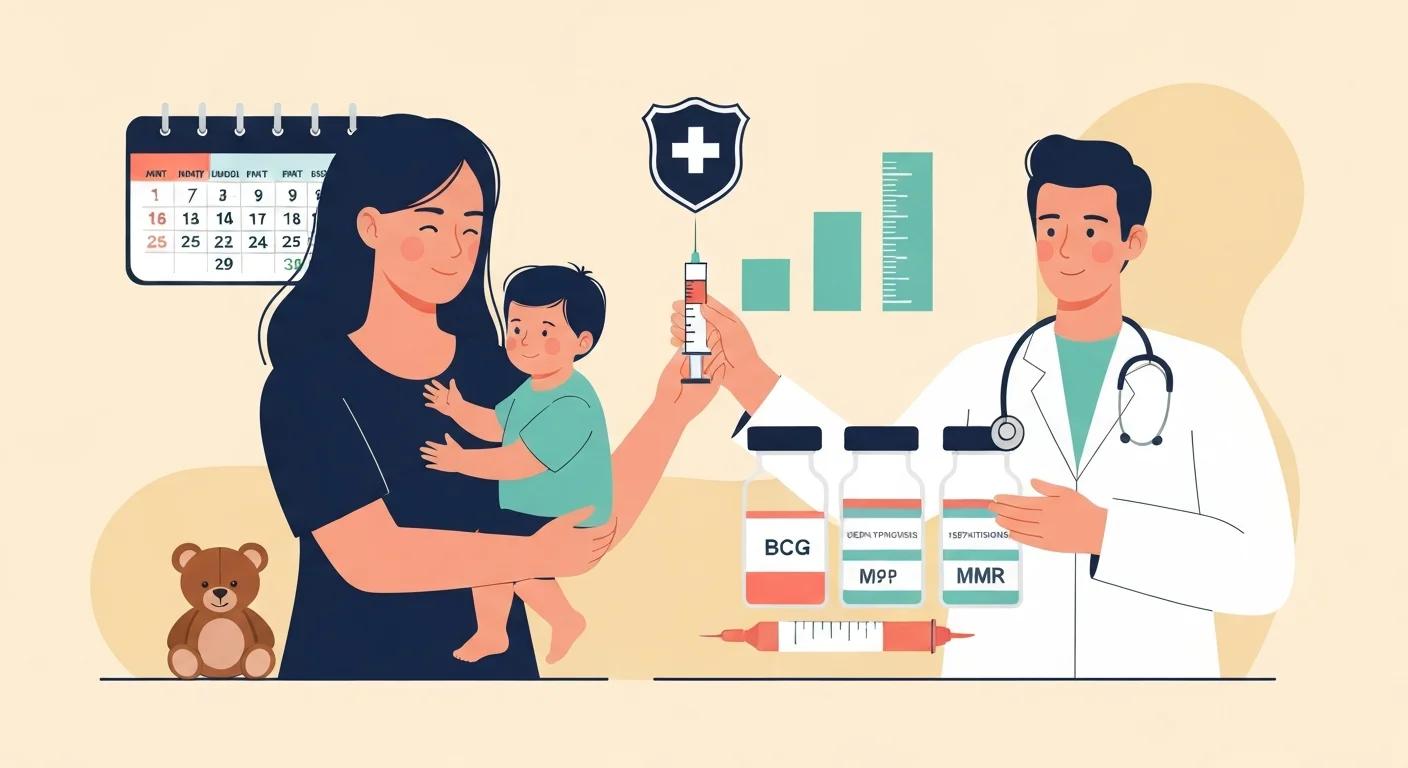
- BCG: 0.05 mL ID in left upper arm if <1 month (0.1 mL if >1 month up to 1 year). Characteristic wheal of 5–8 mm forms immediately; papule forms at 2–3 weeks, followed by a shallow ulcer and permanent healed circular scar at 6–12 weeks.
- OPV-0: 2 drops orally given as early as possible within first 15 days; primes gut mucosal IgA.
- Hepatitis B Birth Dose: 0.5 mL IM in left anterolateral thigh; must be given within 24 hours of birth to interrupt vertical perinatal transmission from HBsAg-positive mothers.
2. At 6 Weeks (OPV-1, Pentavalent-1, RVV-1, fIPV-1, PCV-1)
The first major multi-antigen primary vaccination visit.
- Pentavalent-1: 0.5 mL IM (left thigh) combining Diphtheria, Pertussis, Tetanus, Hepatitis B, and Hib.
- Rotavirus (RVV-1): Protects against lethal dehydrating rotaviral gastroenteritis; 5 drops orally (or 2.5 mL depending on manufacturer).
- Fractional IPV-1 (fIPV-1): 0.1 mL ID in the right upper arm; intradermal delivery primes systemic circulation with inactivated poliovirus types 1, 2, and 3.
- PCV-1: 0.5 mL IM in right anterolateral mid-thigh protecting against invasive Streptococcus pneumoniae.
- OPV-1: 2 drops orally.
3. At 10 Weeks (OPV-2, Pentavalent-2, RVV-2)
The second primary series visit administered 4 weeks after the 6-week dose.
- Pentavalent-2: 0.5 mL IM in left mid-thigh.
- OPV-2: 2 drops orally.
- Rotavirus (RVV-2): 5 drops orally.
- Note: fIPV and PCV are NOT administered at 10 weeks under India's routine UIP schedule.
4. At 14 Weeks (OPV-3, Pentavalent-3, fIPV-2, RVV-3, PCV-2)
Completes the primary infant series for Pentavalent, Rotavirus, and IPV.
- Pentavalent-3: 0.5 mL IM (left thigh).
- fIPV-2: 0.1 mL ID (right upper arm).
- PCV-2: 0.5 mL IM (right thigh).
- Rotavirus (RVV-3): 5 drops orally.
- OPV-3: 2 drops orally.
5. At 9–12 Months (MR-1, JE-1, PCV Booster, Vit A)
Transition milestone from primary infant injections to subcutaneous live viral vaccines and booster coverage.
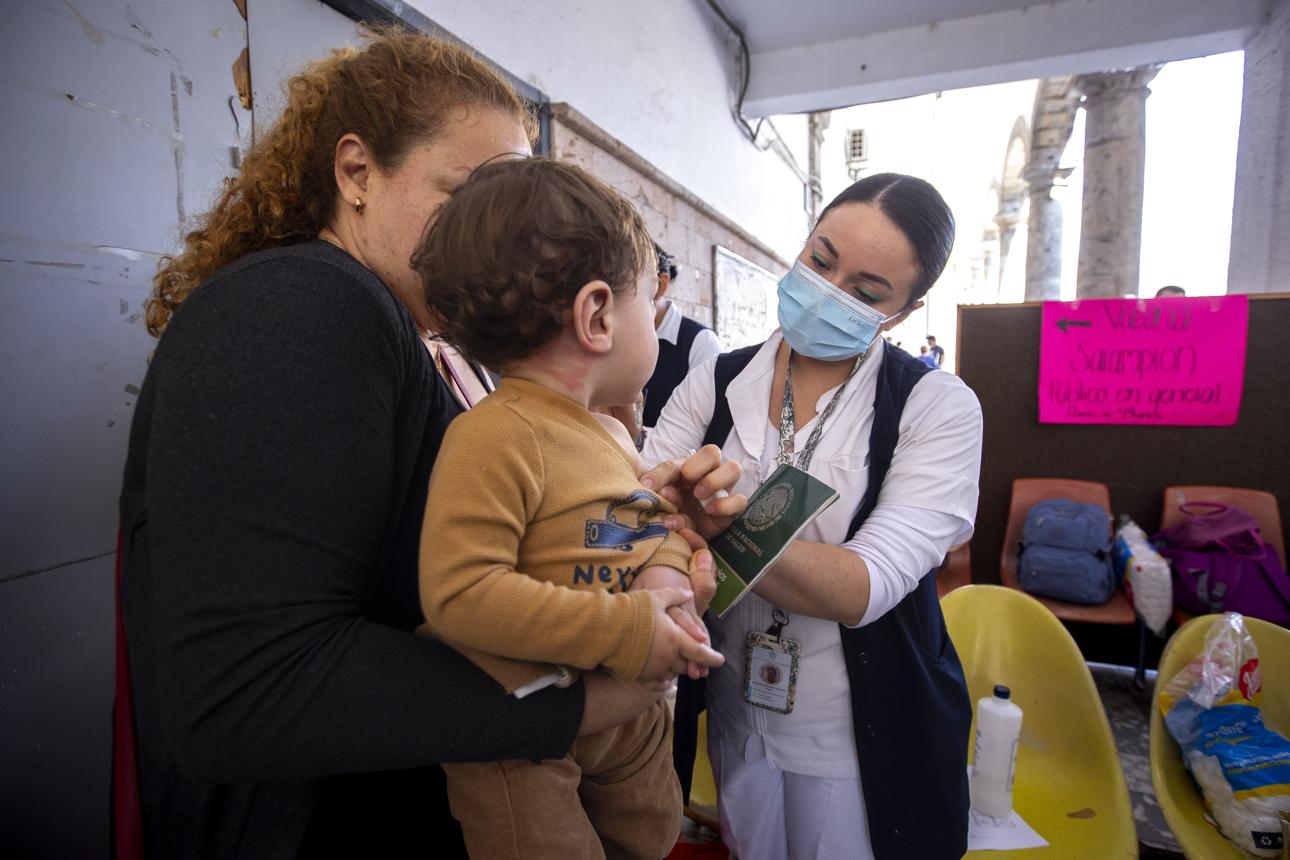
- MR-1: 0.5 mL SC in right upper arm. Reconstituted with provided sterile diluent and used within 4 hours.
- JE-1: 0.5 mL SC in left upper arm in 231 endemic districts.
- PCV Booster: 0.5 mL IM in right mid-thigh.
- Vitamin A (1st Dose): 1 lakh International Units (1 mL) orally administered using the provided spoon.
6. At 16–24 Months (Toddler Boosters)
- MR-2: 0.5 mL SC (right upper arm).
- JE-2: 0.5 mL SC (left upper arm) in endemic districts.
- DPT Booster-1: 0.5 mL IM (anterolateral left mid-thigh).
- OPV Booster: 2 drops orally.
- Vitamin A (2nd Dose): 2 lakh IU (2 mL) orally (subsequent doses every 6 months until age 5, total 9 doses).
7. At 5–6 Years (DPT Booster-2)
DPT Booster-2: 0.5 mL IM in upper arm (deltoid). Strengthens waning immunity against diphtheria, tetanus, and pertussis before child enters primary school.
8. At 10 Years (Td)
Td (Tetanus & adult Diphtheria): 0.5 mL IM in deltoid. Replaces TT in national schedule to ensure adult diphtheria immunity.
9. At 16 Years (Td)
Td: 0.5 mL IM in deltoid. Completes adolescent immunization series.
Maternal Immunization Schedule (Pregnant Women)
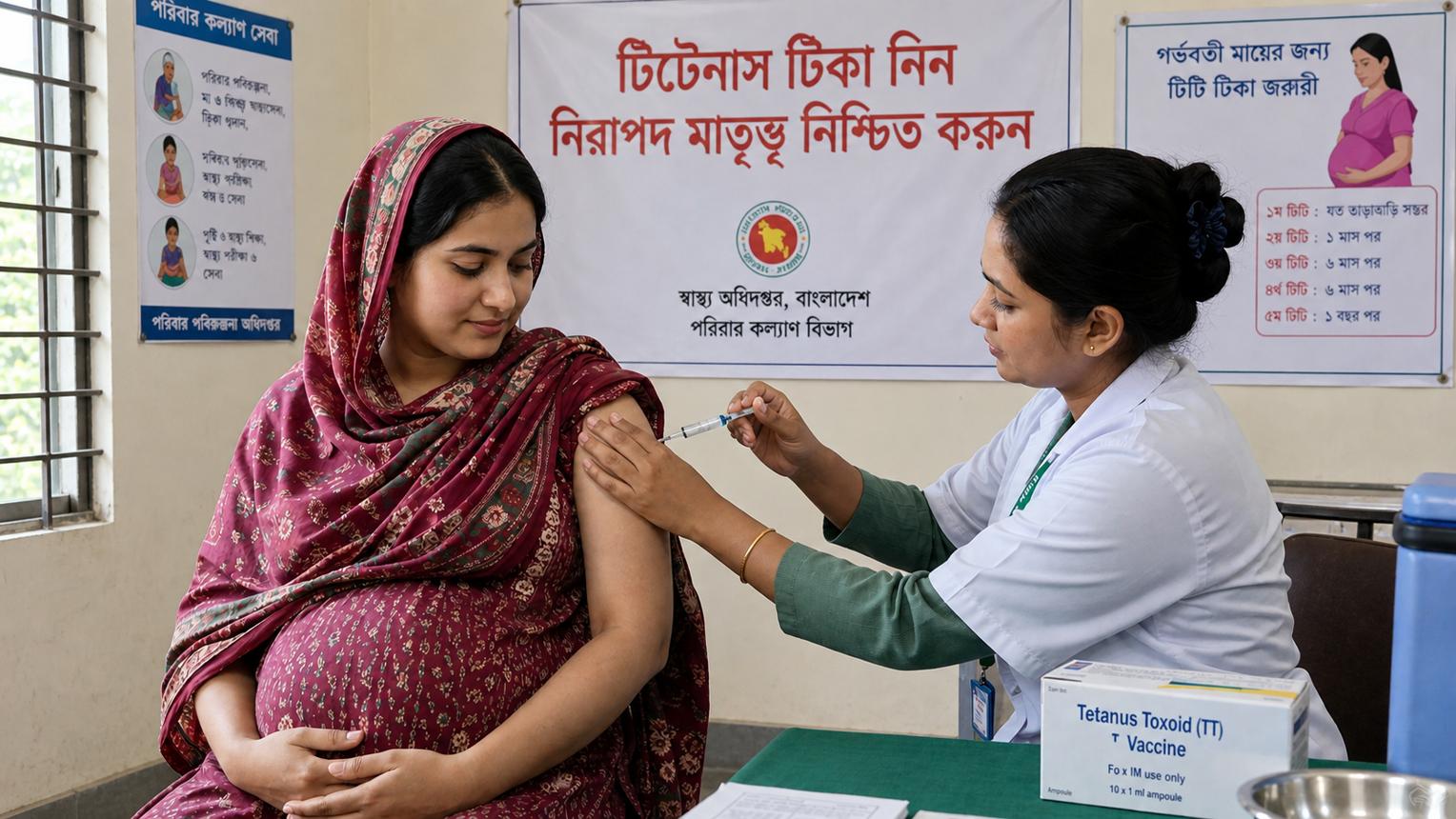
Maternal immunization during pregnancy provides dual protection: it protects the expectant mother against maternal tetanus and transfers high concentrations of protective maternal antibodies across the placenta, shielding the neonate against neonatal tetanus during unhygienic umbilical cord handling.
Maternal Td Immunization Protocol (Pregnant Women)
| Dose | Recommended Timing | Dose & Route | Anatomical Site | Clinical Nursing Pearl |
|---|---|---|---|---|
| Td-1 | Early in pregnancy (as soon as pregnancy is registered) | 0.5 mL, IM | Upper arm (Deltoid) | Administer at first antenatal booking visit |
| Td-2 | 4 weeks after Td-1 (preferably >4 weeks before expected delivery) | 0.5 mL, IM | Upper arm (Deltoid) | Must maintain a minimum 4-week interval between doses |
| Td Booster | Given if woman received 2 Td/TT doses in a pregnancy within last 3 years | 0.5 mL, IM | Upper arm (Deltoid) | Only a single booster dose is required in the subsequent pregnancy |
Vaccine Profiles: Antigens, Doses & Formulations
Understanding the biological nature of each vaccine formulation (live attenuated vs. killed/inactivated/toxoid) is fundamental to safe nursing practice, proper diluent handling, and reconstitution protocols.
BCG, OPV, Rotavirus, MR, JE (SA 14-14-2)
Contain viable microorganisms with reduced virulence. They stimulate robust, long-lasting humoral and cell-mediated immunity. Sensitive to heat; freeze-dried formulations (BCG, MR, JE) must be kept chilled with strict 4-hour discard limits after reconstitution. Contraindicated in severe immunosuppression.
Hepatitis B, Inactivated Polio (fIPV), PCV, Hib
Contain killed organisms or purified recombinant surface antigens (e.g., HBsAg in Hep B). Cannot cause disease; require multiple doses and adjuvants (aluminum salts) to stimulate sufficient antibody titers. Freeze-sensitive; must never be frozen.
Diphtheria & Tetanus (in Pentavalent, DPT, Td)
Prepared by detoxifying bacterial exotoxins with formaldehyde while preserving immunogenicity. Adsorbed onto aluminum adjuvants. Freeze-sensitive.
National Vitamin A Prophylaxis Schedule (9 Total Doses)
Co-administered with routine childhood immunization to eliminate nutritional blindness (Bitot's spots, keratomalacia) and reduce measles mortality:
- 1st Dose: At 9 months with MR-1 — 1 mL (100,000 IU / 1 lakh IU).
- 2nd Dose: At 16–18 months with DPT Booster-1 — 2 mL (200,000 IU / 2 lakh IU).
- 3rd to 9th Doses: 2 mL (2 lakh IU) every 6 months up to 5 years of age during bi-annual rounds.
Routes, Anatomical Sites & Injection Techniques
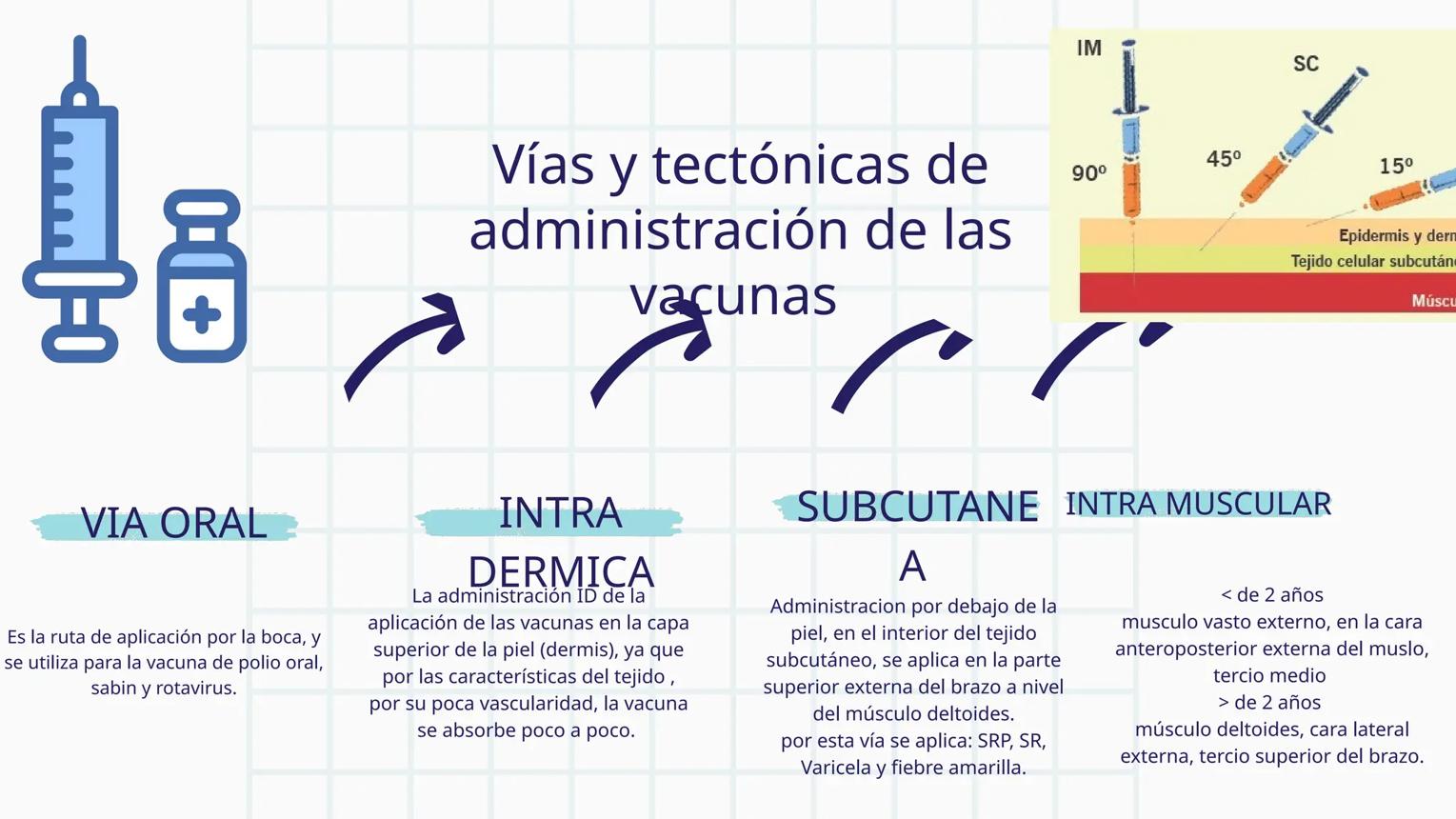
Administering vaccines at the exact anatomical landmark ensures maximal antigen uptake into regional draining lymph nodes and minimizes local tissue trauma and sterile abscesses.
Vaccine Administration Routes & Sites Matrix
| Route | Needle Angle | Anatomical Landmark | UIP Vaccines | Critical Technique |
|---|---|---|---|---|
| Intradermal (ID) | 10°–15° | Left upper arm (BCG); Right upper arm (fIPV) | BCG (0.05 / 0.1 mL), fIPV (0.1 mL) | Insert bevel up into papillary dermis; produce pale, raised, pitted wheal (peau d'orange) |
| Intramuscular (IM) | 90° | Infants (<1 yr): Anterolateral aspect of mid-thigh (Vastus Lateralis); Older children & adults: Deltoid muscle | Pentavalent, Hep B, PCV, DPT booster, Td | Never inject into the gluteal muscle (buttock) in infants due to danger of sciatic nerve paralysis and thick subcutaneous fat layer |
| Subcutaneous (SC) | 45° | Right upper arm (MR); Left upper arm (JE) | MR (0.5 mL), JE (0.5 mL) | Pinch skin fold; inject into subcutaneous fat layer over lateral deltoid area |
| Oral | N/A | Mouth (buccal mucosa) | OPV (2 drops), Rotavirus (5 drops / 2.5 mL) | Drop directly onto tongue; avoid dropper tip contacting child's lips or saliva |
Nursing Roles & Clinical Administration Standards
Nurses are the primary operational backbone of the immunization delivery system. Beyond sterile technique, nursing practice encompasses rigorous pre-screening, safe handling, cold-chain verification, parent education, and acute emergency anaphylaxis readiness.
The 4 Key Messages Every Nurse Must Communicate to Parents
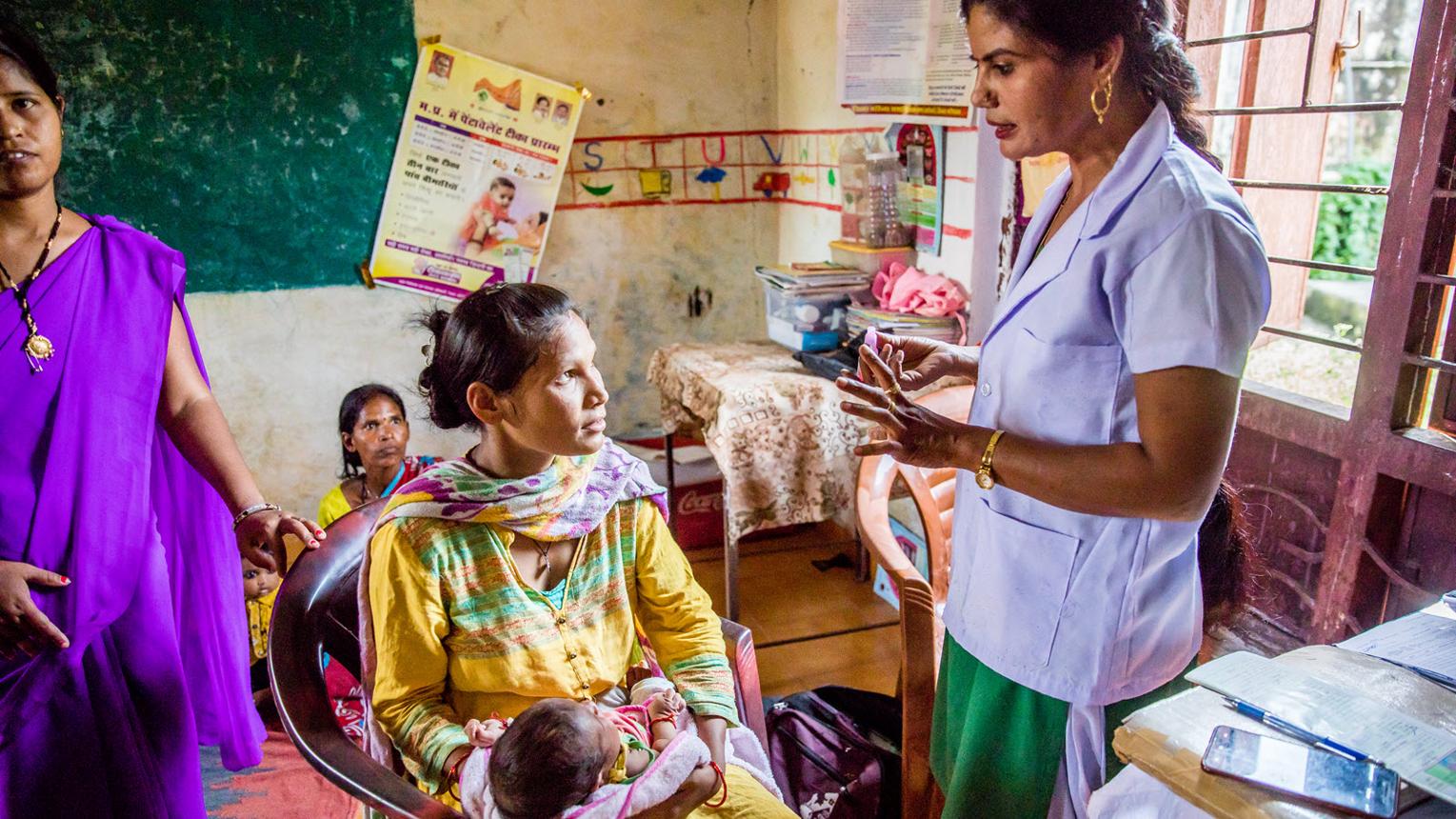
Under national operational guidelines, the administering nurse must verbally deliver 4 key messages to the parent before they leave the clinic:
- 1. What vaccines were given today: Name the antigens and the specific diseases they prevent.
- 2. What minor reactions may occur and how to manage them: Explain mild fever or injection site swelling; advise breastfeeding and paracetamol; warn against applying mud, hot compresses, or oil.
- 3. When to return for the next dose: Write the exact return date clearly on the Mother and Child Protection (MCP) card.
- 4. To preserve the MCP Card safely: Bring the card to every health visit, even during relocation or travel.
Auto-Disable (AD) Syringes Standard
All injectable vaccines under UIP are administered using single-use Auto-Disable (AD) Syringes (0.1 mL for BCG/fIPV and 0.5 mL for Pentavalent/PCV/MR/DPT/Td). AD syringes contain an internal plunger-locking mechanism that permanently prevents plunger retraction after a single injection, mechanically eliminating accidental syringe reuse and blood-borne pathogen transmission (HIV, Hepatitis B/C).
Cold Chain Maintenance & Temperature Monitoring
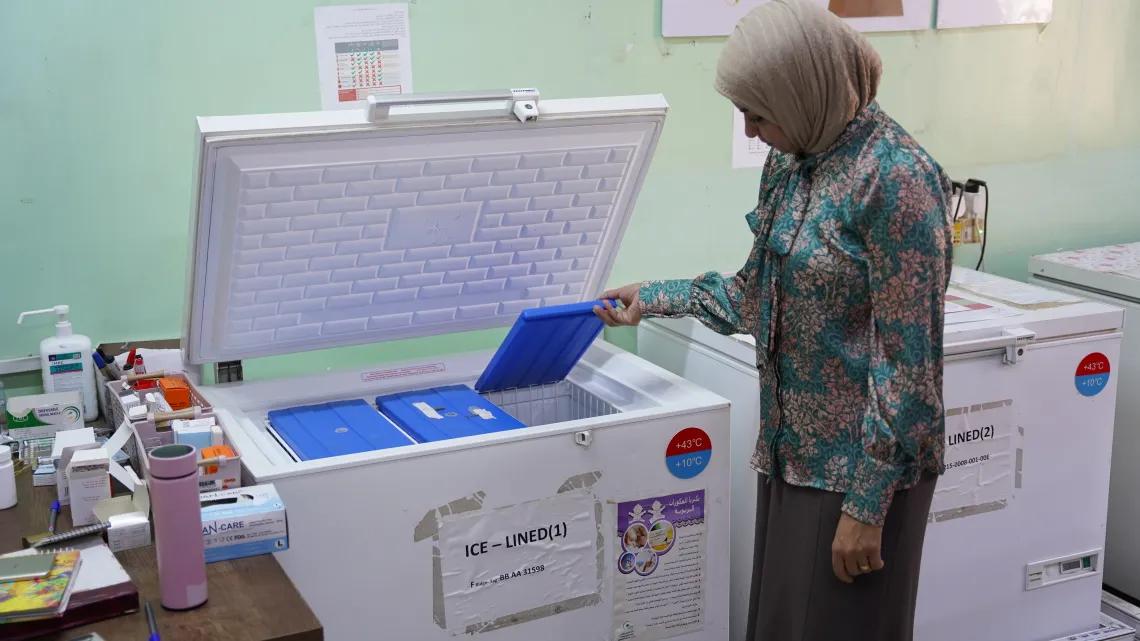
The cold chain is the temperature-controlled logistics network ensuring vaccines remain continuously stored within safe thermal boundaries (+2°C to +8°C) from the moment of biological manufacturing to the exact instant of client injection.
Cold Chain Equipment & Storage Parameters
| Equipment | Operating Temperature | Deployment Level | Storage Purpose |
|---|---|---|---|
| Ice-Lined Refrigerator (ILR) | +2°C to +8°C | District, CHC, PHC | Primary storage for all routine refrigerated vaccines; water lining keeps temperature safe for 48–72h during power outages |
| Deep Freezer (DF) | -15°C to -25°C | District, CHC, PHC | Used strictly to freeze water ice packs; historically stored OPV at regional depots |
| Vaccine Carrier | +2°C to +8°C | Outreach / VHSND | Insulated container lined with 4 conditioned ice packs holding 16–20 vials for 24–48 hours |
| Cold Box (Large & Small) | +2°C to +8°C | District to PHC transport | Heavily insulated transport box holding vaccines during transit or equipment breakdown for 48–96 hours |
The Shake Test for Freeze-Sensitive Vaccines
Vaccines containing aluminum adjuvants (Pentavalent, PCV, Hep B, DPT, Td) are irreversibly damaged if frozen. Freezing causes the adjuvant to aggregate into coarse flakes. If freezing is suspected, perform the Shake Test comparing the suspect vial with a deliberately frozen-and-thawed control vial. If the suspect vial sediments faster than the control, it has been frozen and must be discarded.
Vaccine Vial Monitor (VVM) Interpretation
A heat-sensitive chemical label printed on the vial cap or label displaying an outer purple circle and inner square:
- Usable (Stage 1 & 2): Inner square is distinctly lighter than outer circle → Vaccine can be used.
- DO NOT USE (Stage 3 & 4): Inner square color matches or is darker than outer circle → Vaccine has reached or exceeded discard point; discard immediately.
Missed Doses & Catch-Up Immunization Rules
One of the most frequent clinical scenarios encountered by nurses is a child presenting with delayed or interrupted vaccination.
Cardinal Rule of Catch-Up Vaccination
“Never restart a vaccination series from the beginning regardless of the elapsed interval. Resume from where the child left off, observing the minimum required intervals between doses.”
Age Limits for Specific Antigens
- BCG: Can be administered up to 1 year of age if missed at birth. Not given after 1 year under routine UIP.
- OPV-0 & Hep B Birth Dose: Hep B birth dose is strictly given within 24 hours. OPV-0 is given up to 15 days of age. If missed, proceed directly with primary series at 6 weeks.
- Pentavalent: Can be administered up to 1 year of age. If a child presents after 1 year, administer DPT instead of Pentavalent.
- Rotavirus Vaccine: Administered up to 1 year of age; not initiated after 1 year.
- MR Vaccine: Can be administered up to 5 years of age under routine UIP catch-up.
Common Reactions & AEFI Emergency Surveillance
Vaccines deployed under the UIP have proven safety records. However, mild self-limiting physiological responses occur, and healthcare facilities must be equipped to handle rare Adverse Events Following Immunization (AEFI).
Expected Mild Reactions (Common & Self-Limiting)
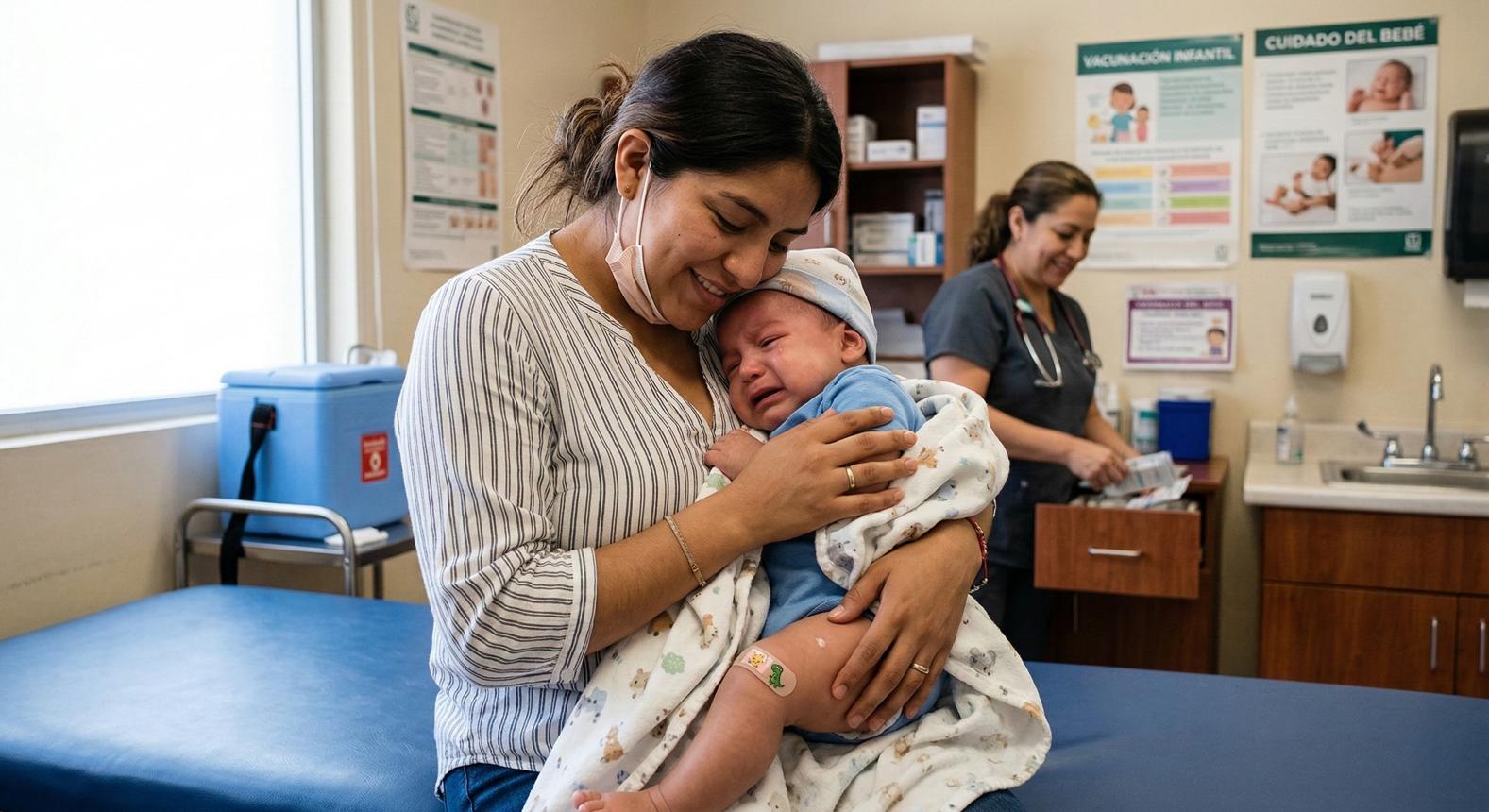
- Low-grade pyrexia: Typically onset within 6–24 hours post Pentavalent or DPT; responds promptly to Paracetamol syrup.
- Local site tenderness, erythema, and induration: Normal inflammatory reaction; advise mother to avoid rubbing.
- BCG scar sequence: Papule at 2–3 weeks, small ulcer discharge at 4–6 weeks, permanent scar by 8–12 weeks. Reassure parents this is normal and requires zero application of creams or antiseptics.
Emergency Management of Anaphylaxis
Severe acute systemic hypersensitivity is extremely rare (approximately 1 per 1 million doses). Every immunization session site must maintain a functional Anaphylaxis Kit:
- Keep child under direct observation for 30 minutes post-vaccination.
- Signs: Sudden urticaria, stridor, wheezing, respiratory distress, facial edema, circulatory collapse.
- First-line Drug of Choice: Intramuscular Injection Adrenaline (Epinephrine 1:1000) dose 0.01 mL/kg (max 0.5 mL) into anterolateral mid-thigh. Repeat after 5–15 minutes if unassisted.
National Public Health Initiatives (Mission Indradhanush & U-WIN)
India has introduced transformative national flagship initiatives to track unvaccinated children, digitize clinical records, and eliminate geographic coverage blind spots.
Mission Indradhanush & Intensified Mission Indradhanush (IMI)
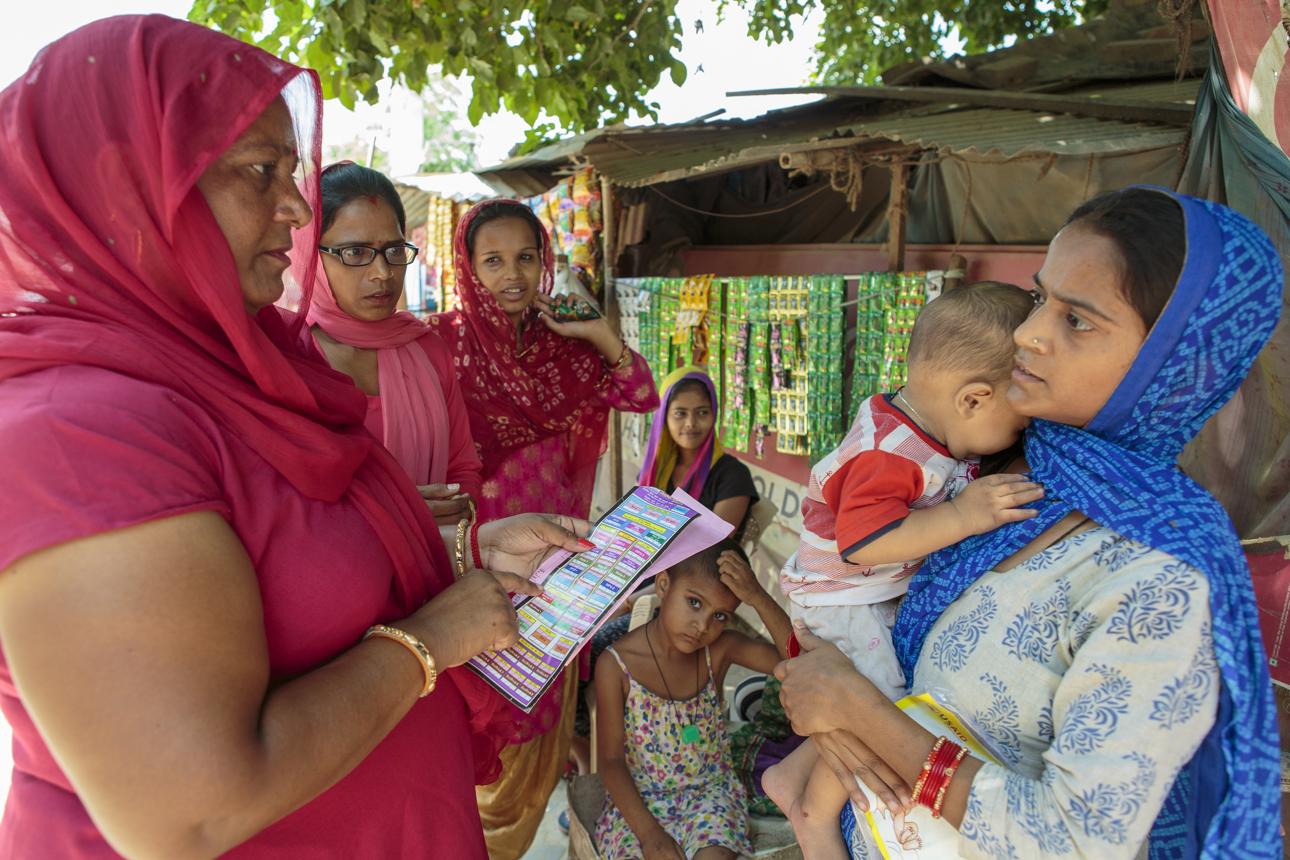
Launched in December 2014, targeting children and pregnant women who missed routine vaccines. Identifies low-coverage districts, migratory construction workers, and urban slums through targeted catch-up drives.
U-WIN Digital Platform
Modeled after the successful Co-WIN system, U-WIN is India's digital registry for routine immunization. Registers pregnant women and newborns, tracks every dose in real time, sends automated SMS reminders, and generates downloadable digital vaccination certificates across India.
Nationwide HPV Vaccination Campaign (2026)
Launched on 28 February 2026, targeting 14-year-old adolescent girls with the Human Papillomavirus (HPV) vaccine to eliminate cervical cancer. (Note: Conducted as a targeted campaign distinct from the infant routine NIS table).
Immunization Myths vs. Clinical Evidence
Vaccine hesitancy driven by misinformation threatens child health. Nurses must counter unfounded fears with compassionate, evidence-based science.
Common Immunization Myths vs. Clinical Evidence
| Pervasive Myth | Evidence-Based Clinical Fact |
|---|---|
| Myth: “Multiple vaccines given together overwhelm an infant's immune system.” | Fact: A baby encounters thousands of bacterial and viral antigens daily. Vaccines use only a tiny fraction of the infant's immune capacity; multi-antigen visits are proven safe and efficacious. |
| Myth: “Vaccines cause the very disease they are intended to prevent.” | Fact: UIP vaccines are killed, toxoid, or attenuated. They cannot reproduce systemic illness in immunocompetent recipients; mild fever is a normal immunological response. |
| Myth: “A child with a mild cold or runny nose should not be vaccinated.” | Fact: Mild cough, runny nose, or low-grade fever are NOT contraindications to vaccination. Delaying vaccination leaves the infant vulnerable to life-threatening infections. |
| Myth: “Vaccination is unnecessary after the first year of life.” | Fact: Primary immunity wanes over time. Toddler boosters (MR-2, DPT booster-1), 5-year DPT booster-2, and 10/16-year Td doses are essential to sustain antibody levels into adulthood. |
High-Yield NCLEX & NORCET Exam Pearls
Key facts frequently tested in AIIMS NORCET, NCLEX-RN, and state nursing licensing examinations:
- UIP Launch Year: 1985 (expanded from EPI 1978).
- BCG Route & Dose: Intradermal on left upper arm; 0.05 mL if <1 month, 0.1 mL if >1 month. Tuberculin syringe with 26G needle.
- Open Vial Policy: Under GOI rules, opened vials of Hepatitis B, OPV, fIPV, Pentavalent, PCV, DPT, and Td can be used for up to 28 days if stored at +2°C to +8°C and VVM is intact. Reconstituted vaccines (BCG, MR, JE) must be discarded within 4 hours.
- Hepatitis B Birth Dose Window: Must be given within 24 hours of birth; dose is 0.5 mL IM in left anterolateral thigh.
- Fractional IPV (fIPV): 0.1 mL intradermal in the right upper arm at 6 weeks and 14 weeks.
- Cold Chain Storage: Routine vaccines are strictly kept at +2°C to +8°C. Freezing ruins aluminum-adsorbed vaccines.
- First Drug in Anaphylaxis: Inj. Adrenaline (Epinephrine 1:1000) IM in anterolateral thigh.
Clinical References & Authoritative Guidelines
Clinical References & Authoritative Guidelines

Sunil Panwar is a Registered and Licensed Nurse (RN) and clinical educator behind Medico Wallah Knowledge. Widely recognized for translating complex medical-surgical concepts, diagnostic criteria, and bedside procedures into accessible, high-yield clinical education, he serves as an esteemed clinical reviewer on the Smart Nursing Prep board. He audits core study materials for clinical procedural safety, pharmacological accuracy, and nursing council curriculum compliance.
Related Study Guides & Notes
Cardiopulmonary Resuscitation (CPR)
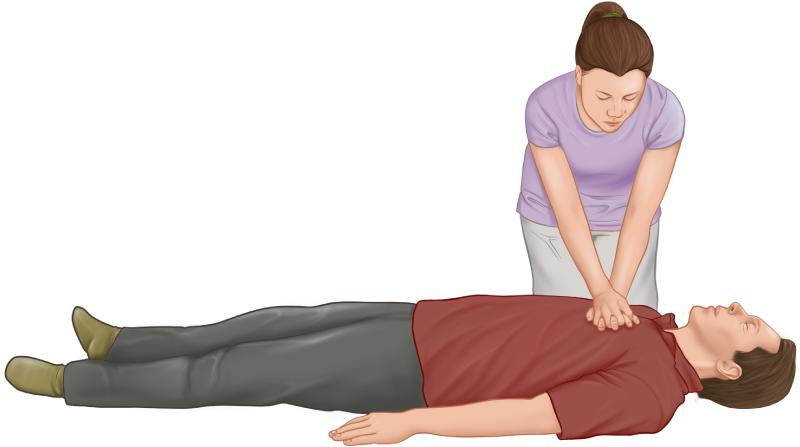
Complete clinical guide to Cardiopulmonary Resuscitation (CPR): emergency cardiac arrest recognition, AHA Chains of Survival (IHCA vs. OHCA), C-A-B resuscitation sequence, high-quality chest compressions (100–120 bpm, 5–6 cm depth), airway management, rescue breathing, automated external defibrillator (AED) operation, shockable vs. non-shockable rhythms, and resuscitation team dynamics.